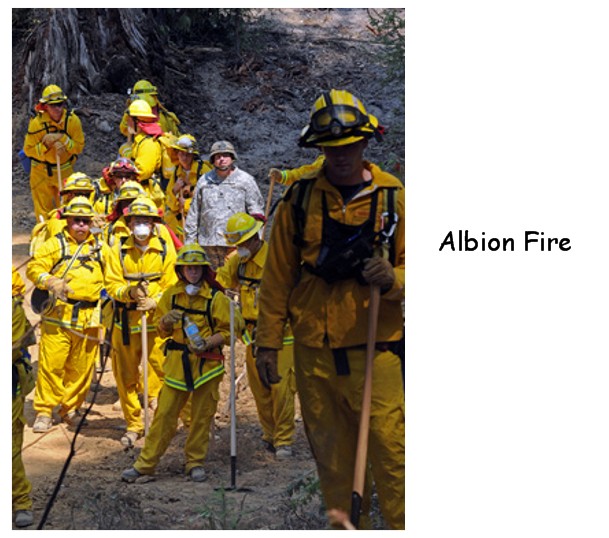
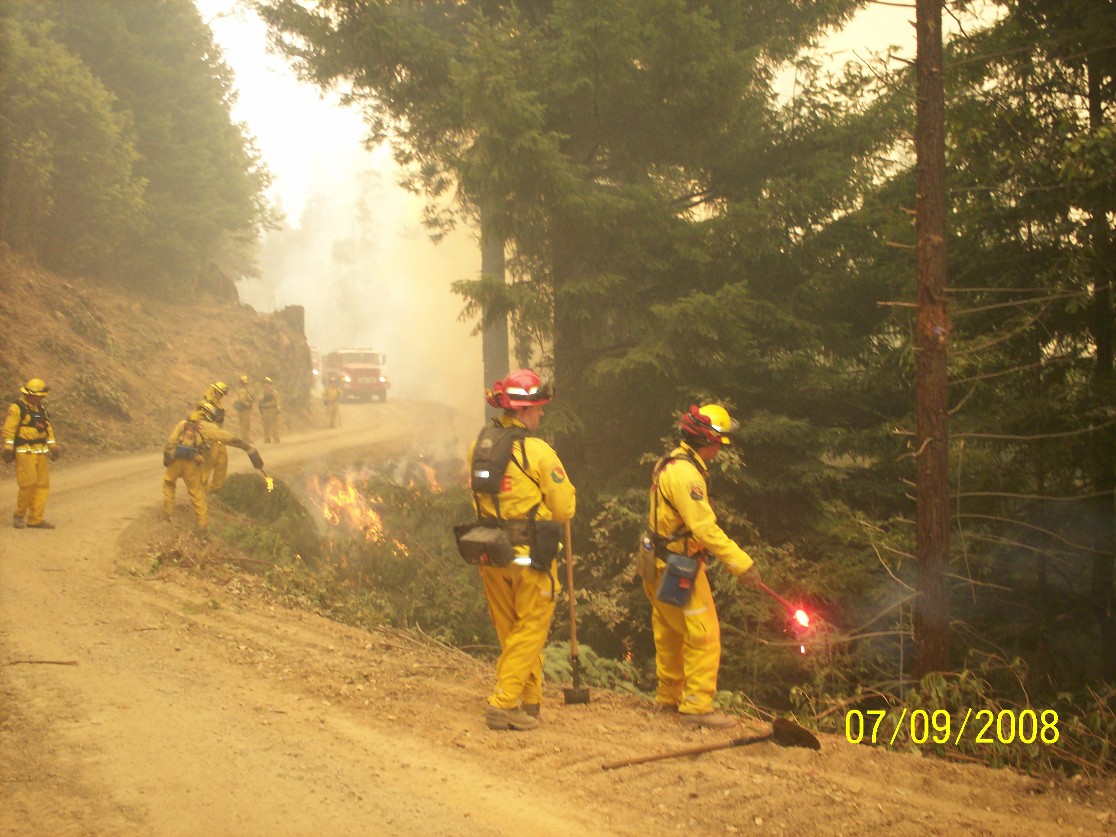
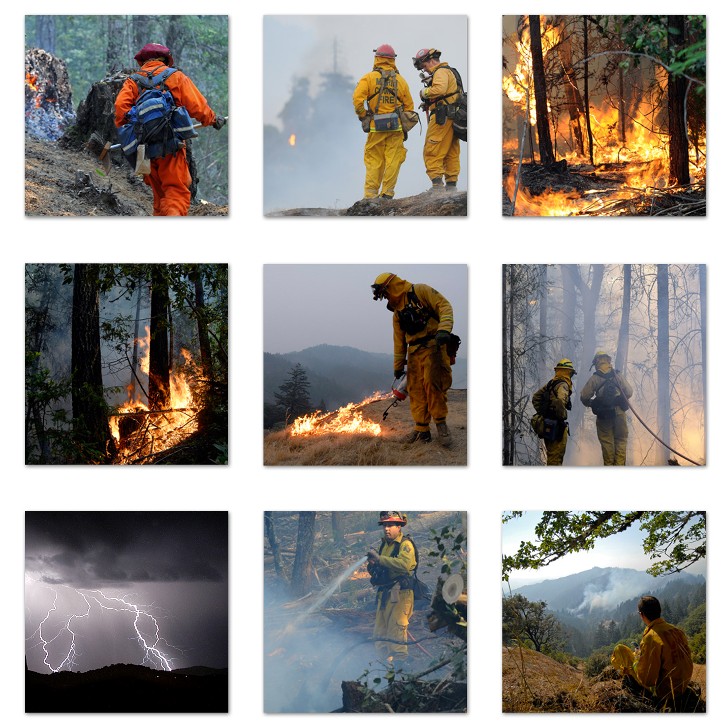
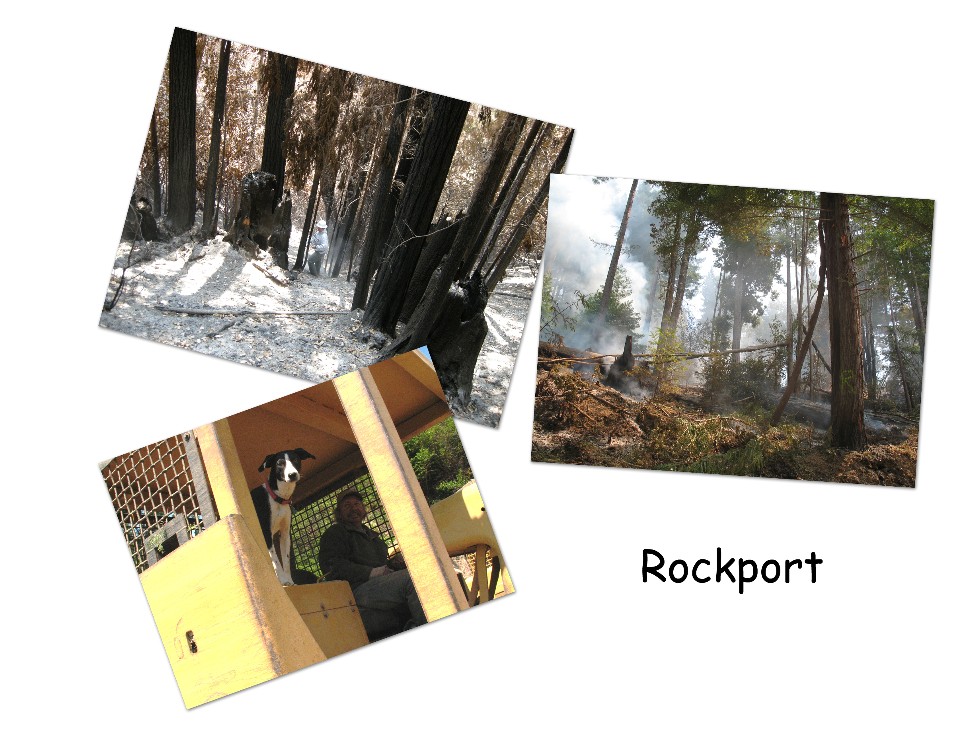
June 20, 2008, 5 PM. This was the summer solstice in California—the longest day of the year, the official start of summer. About two weeks earlier, on June 4, Governor Arnold Schwarzenegger had declared a statewide drought. “For the areas in Northern California that supply most of our water, ” Schwarzenegger said, “this March, April, and May have been the driest ever in our recorded history.” Not only had it been a dry spring, with vegetation brittle and ready to burn, but it was also unusually windy across much of northern California. Still no one, not even the meteorologists, foresaw what was about to happen.
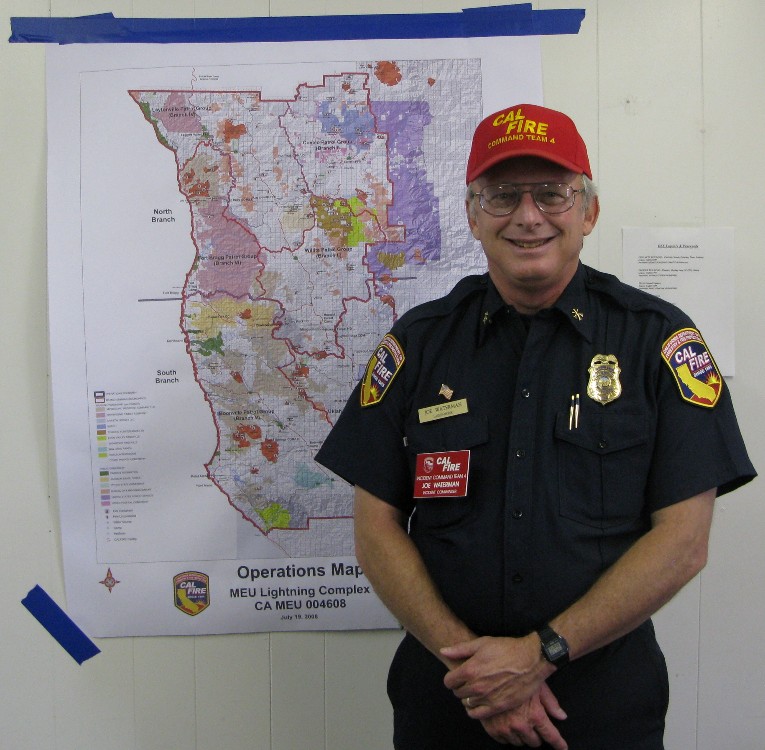
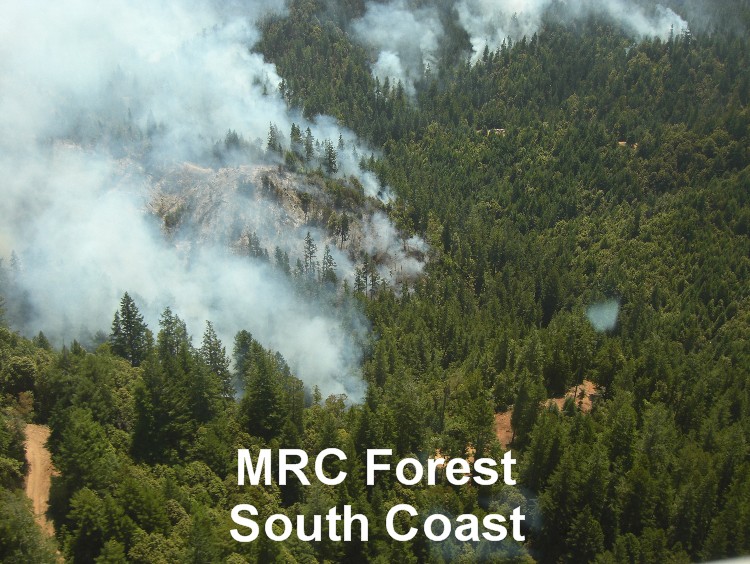
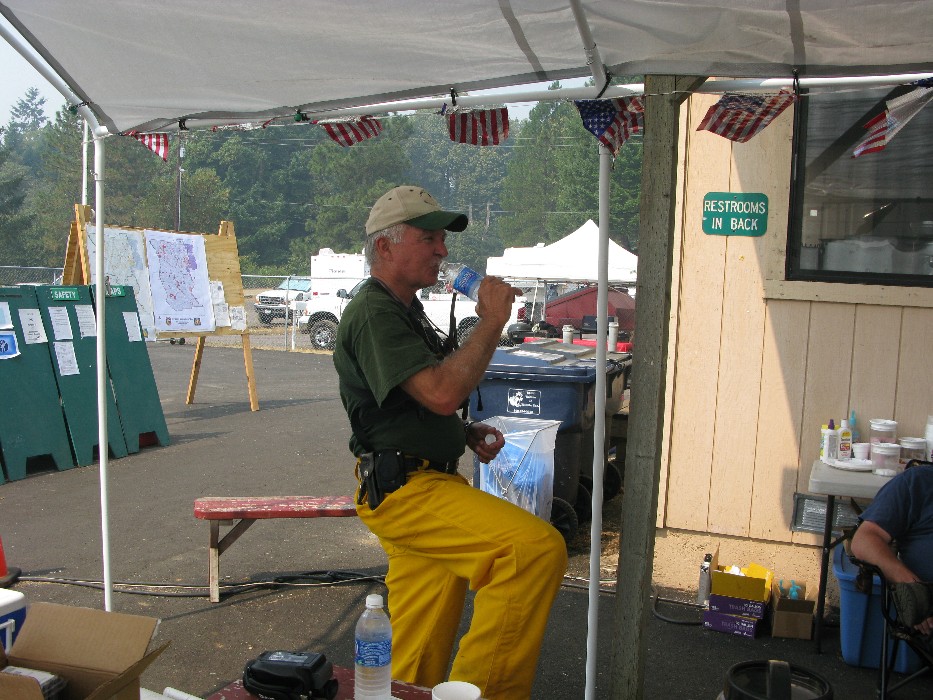
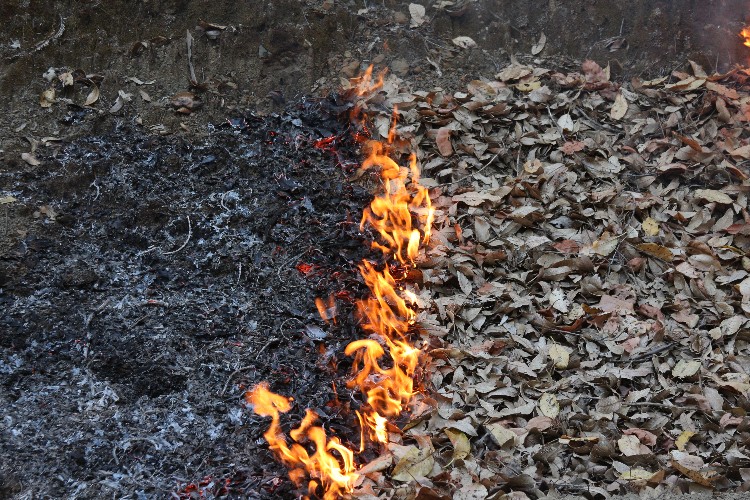
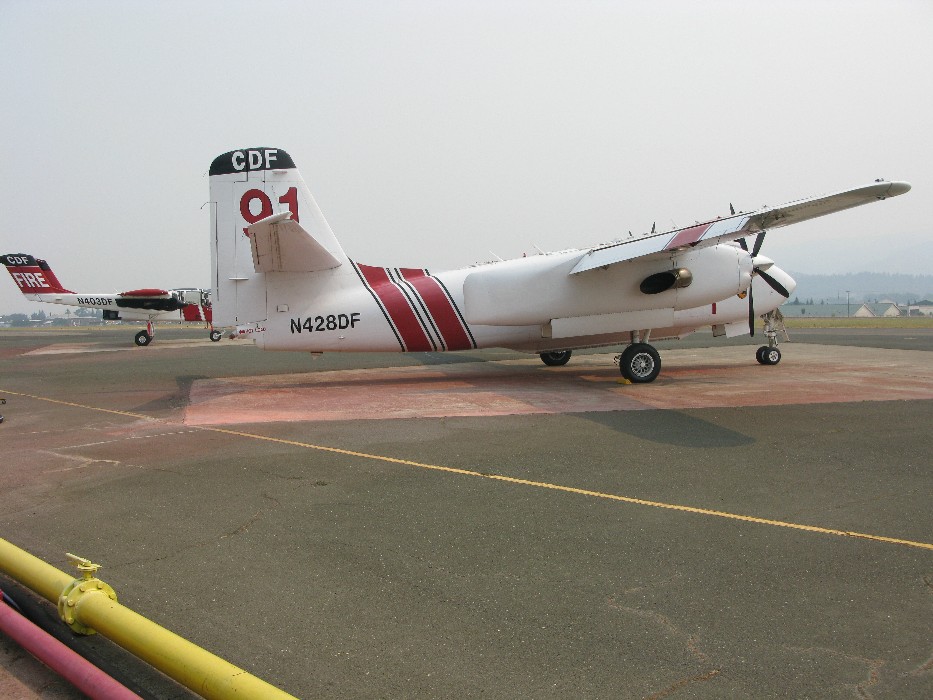
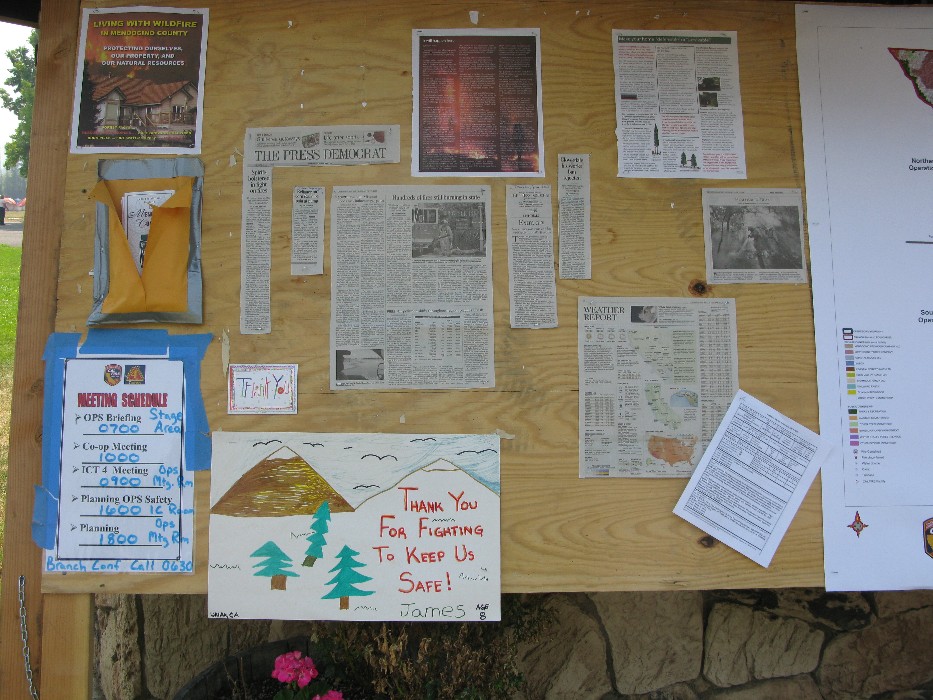
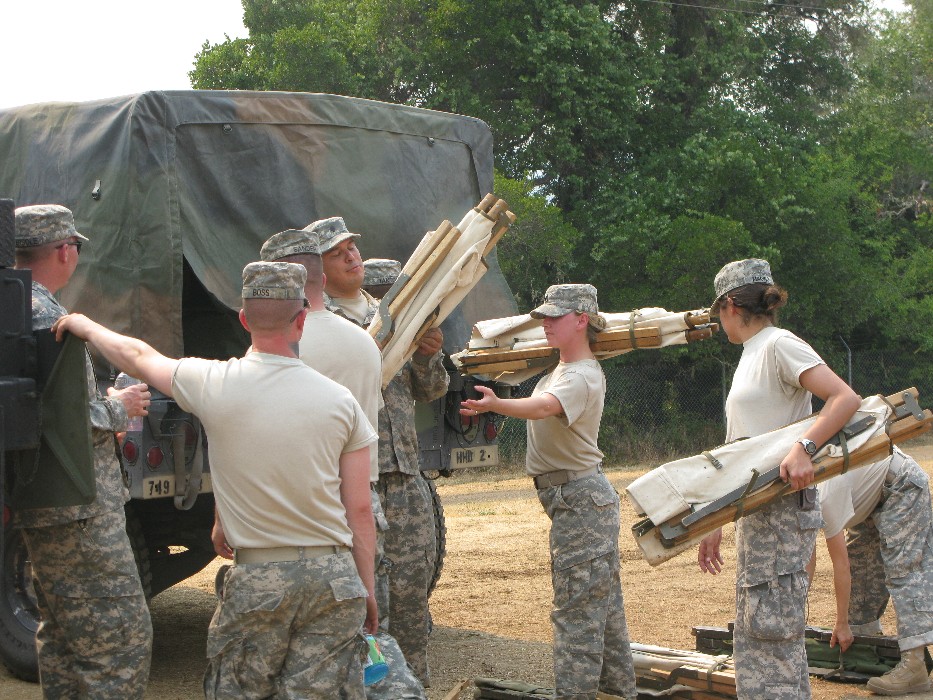
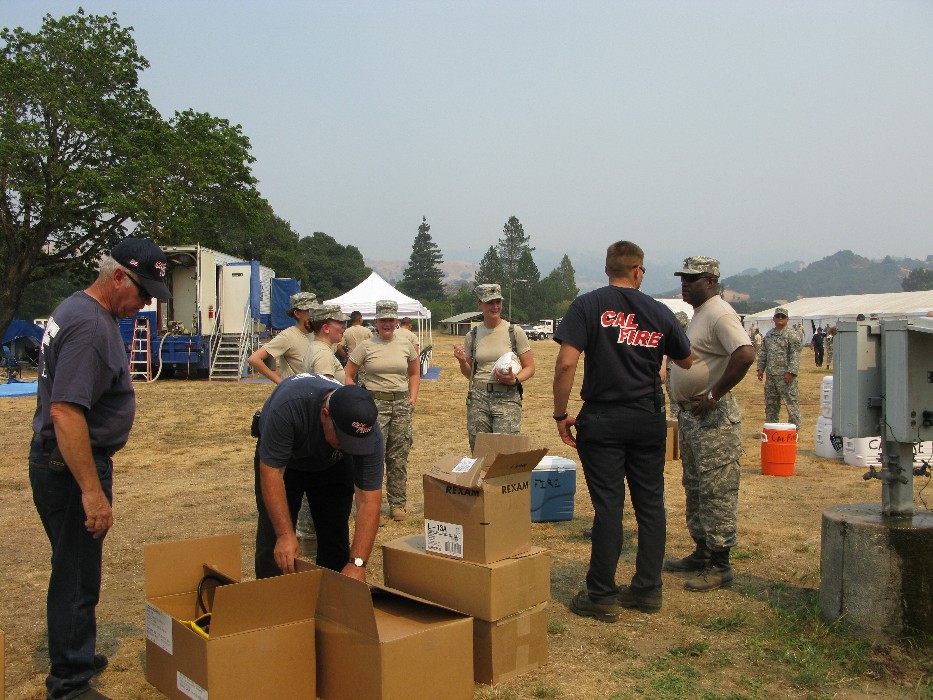
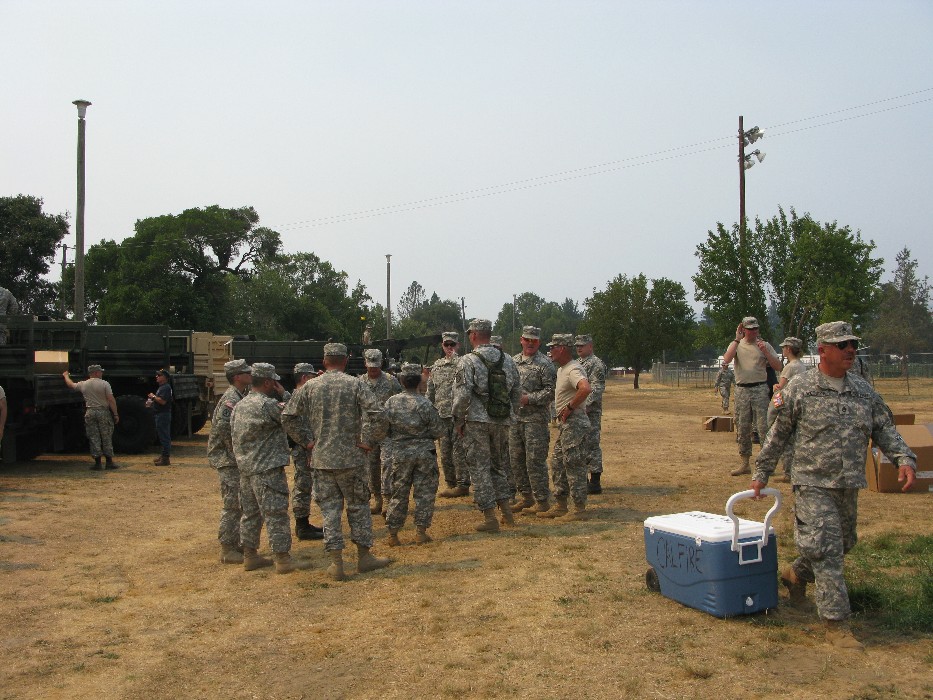
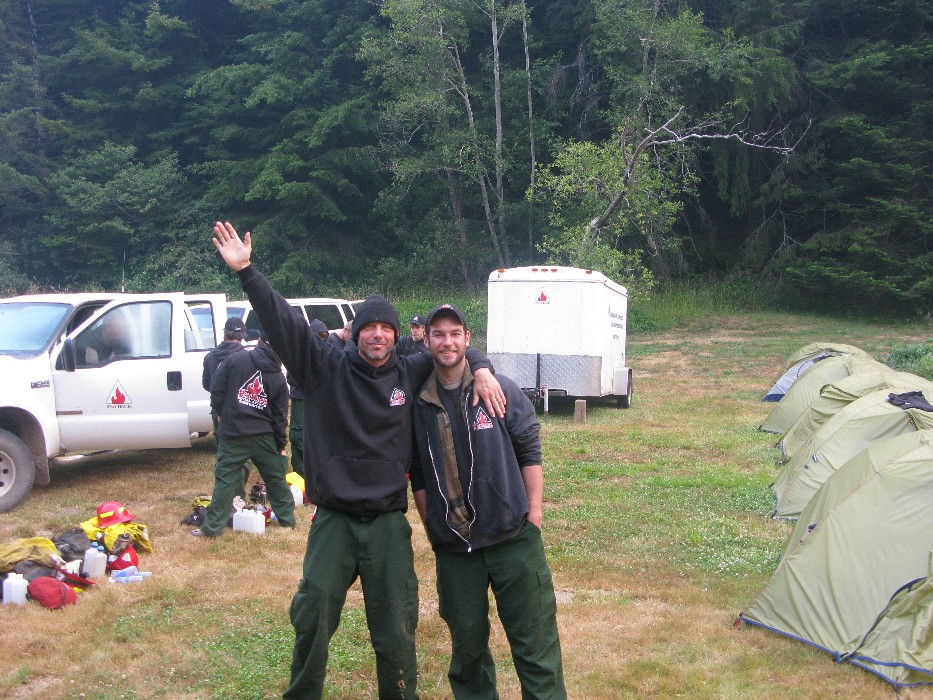
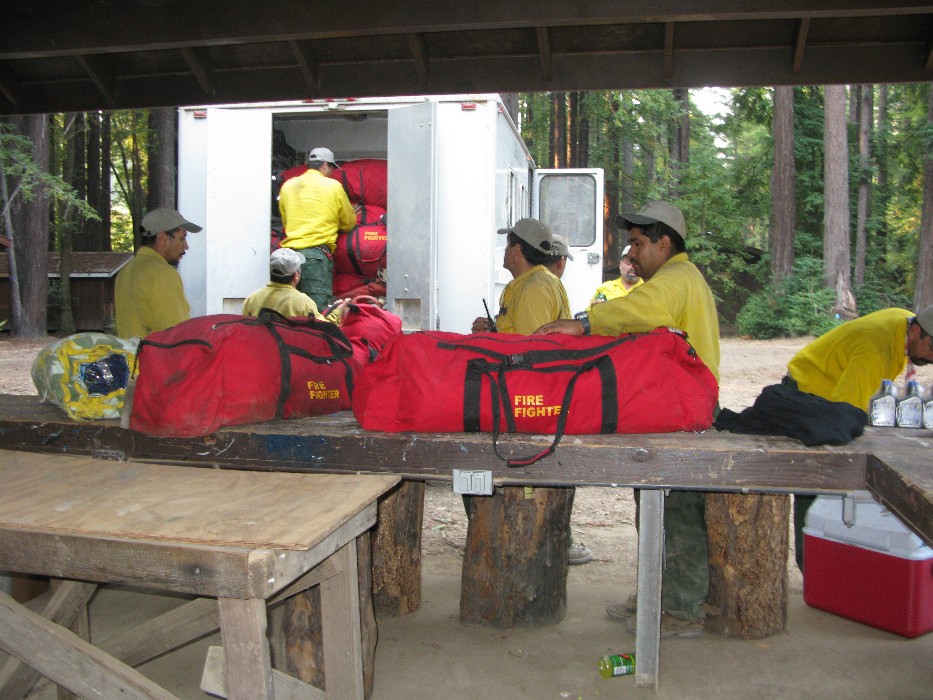
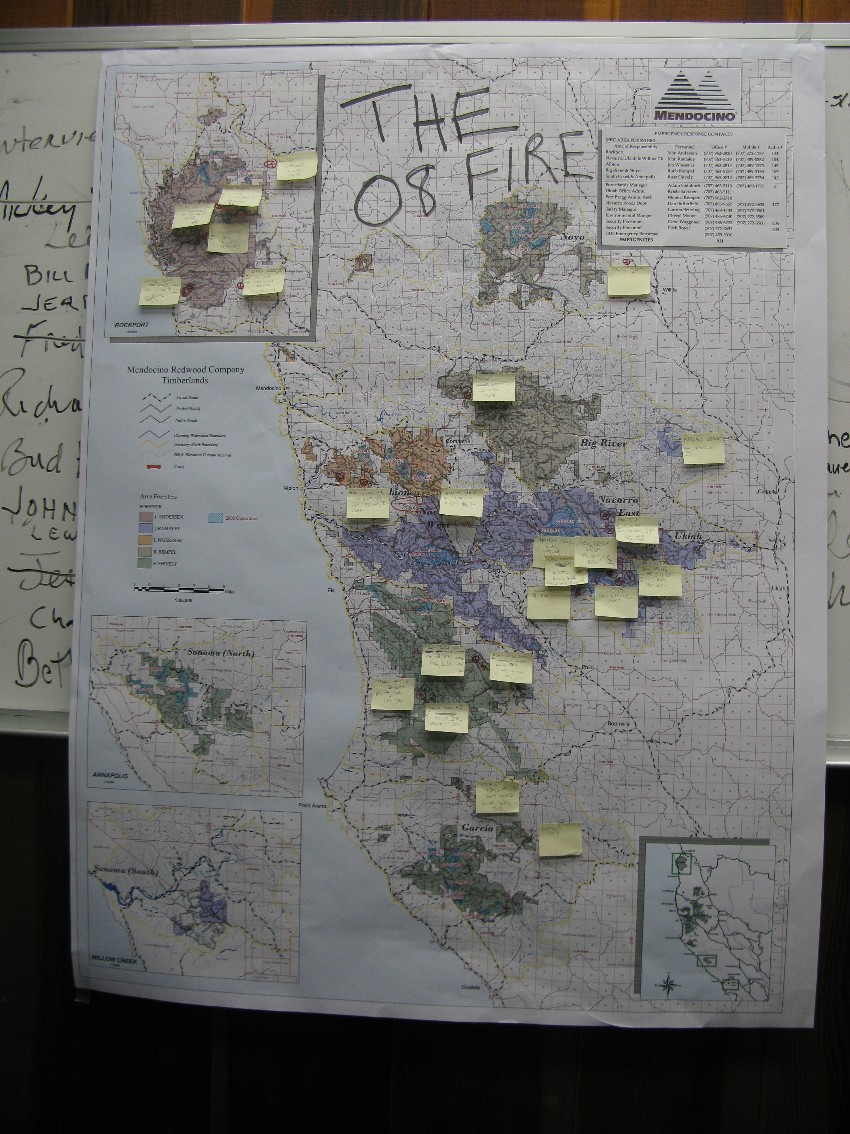
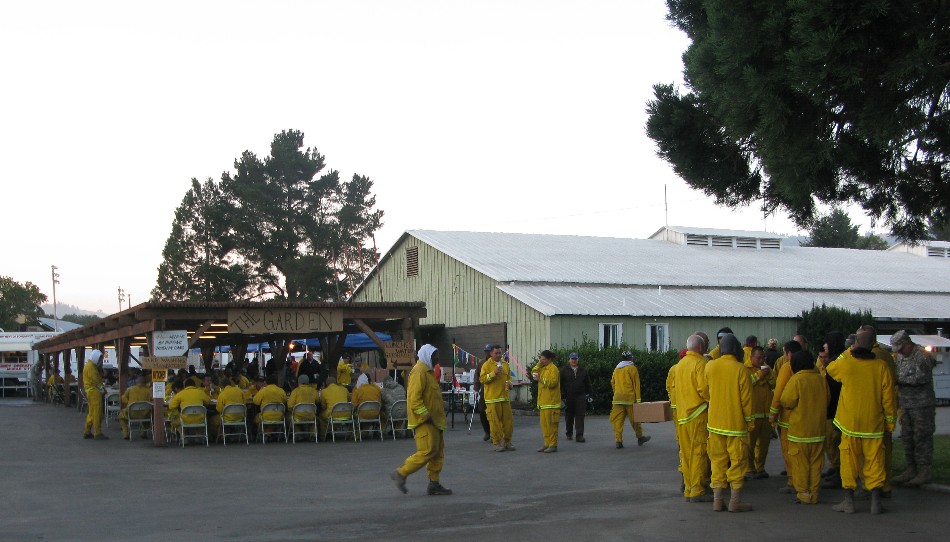
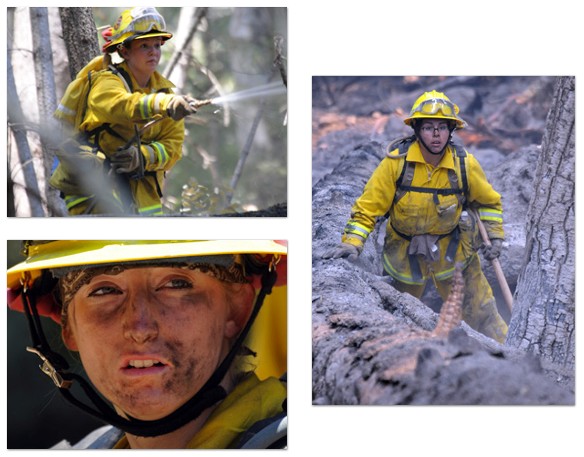
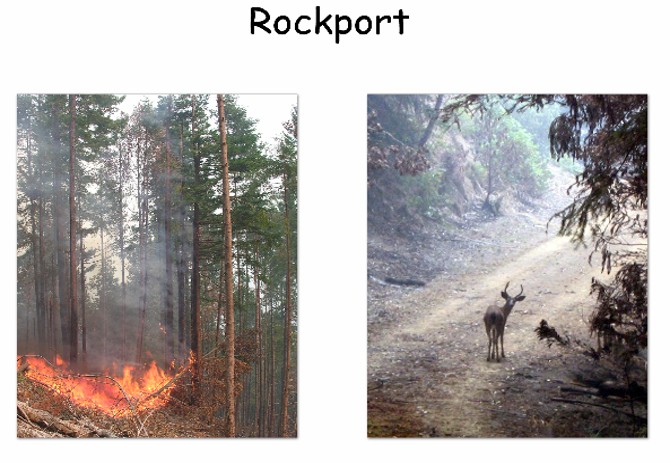
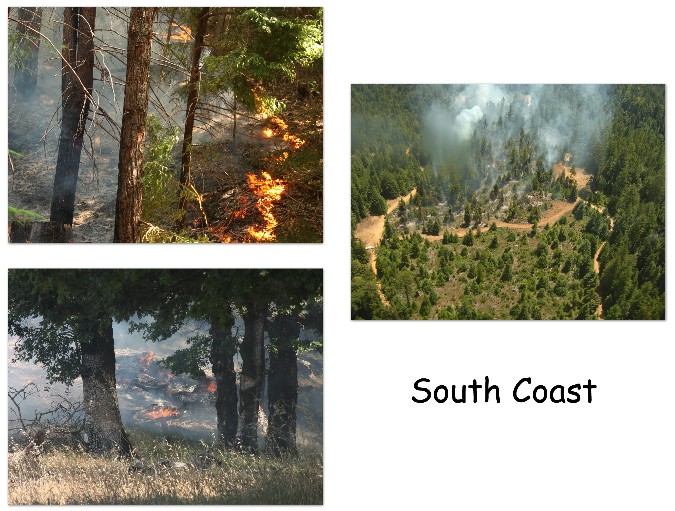
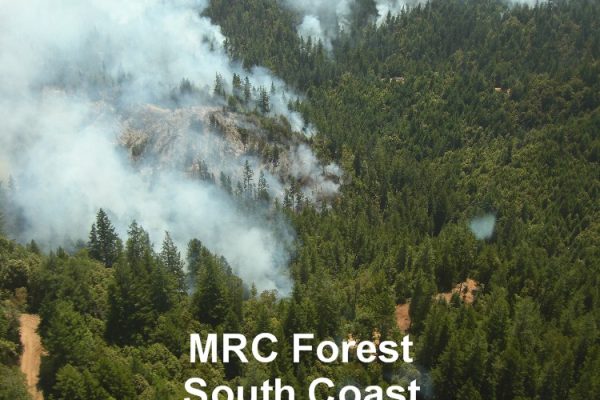
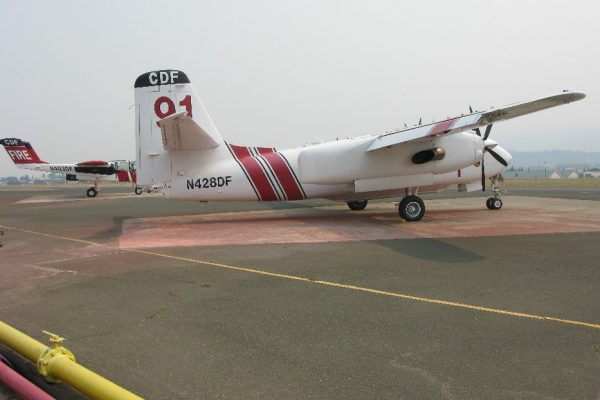
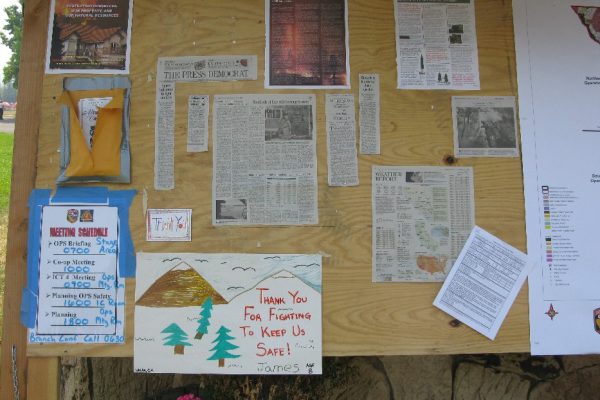
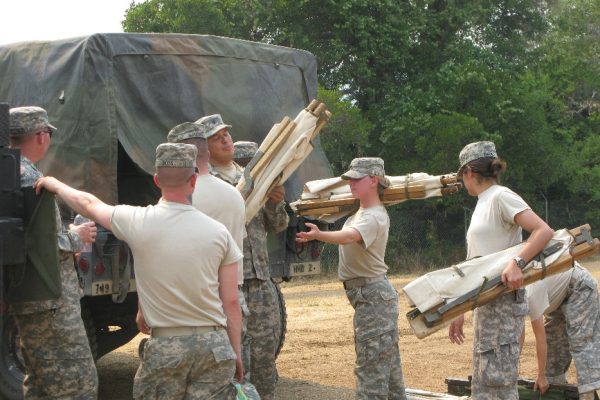
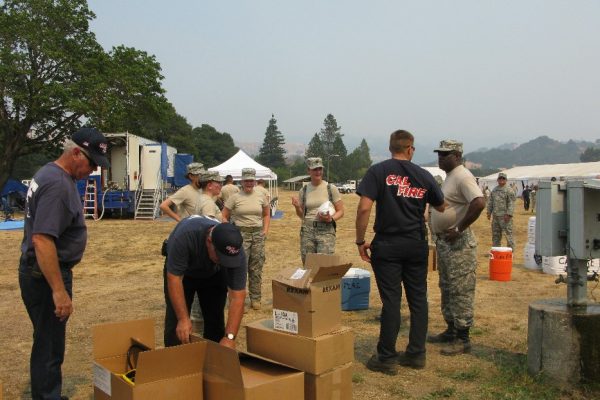
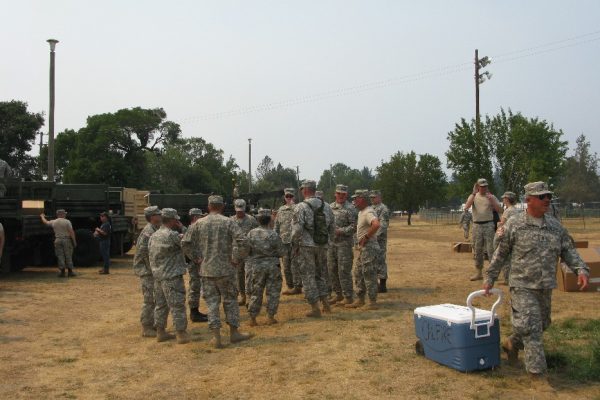
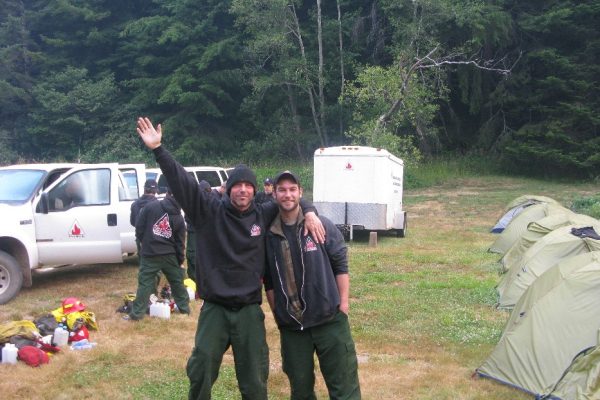
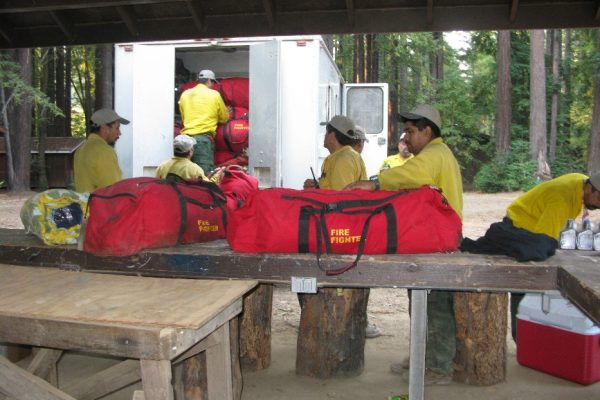
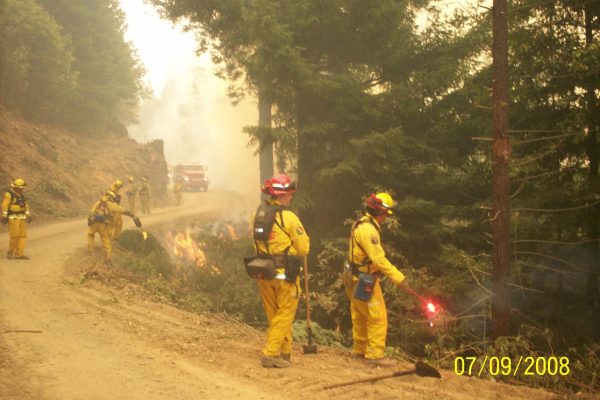
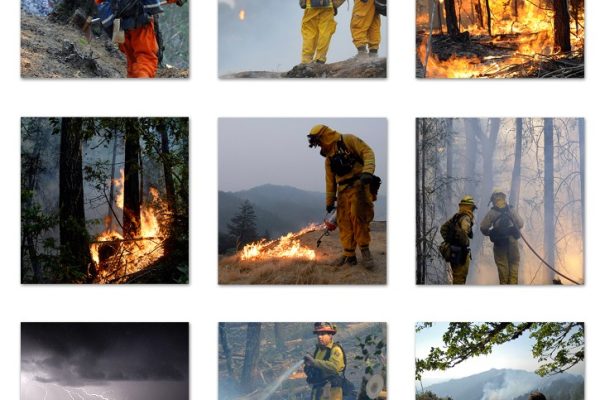
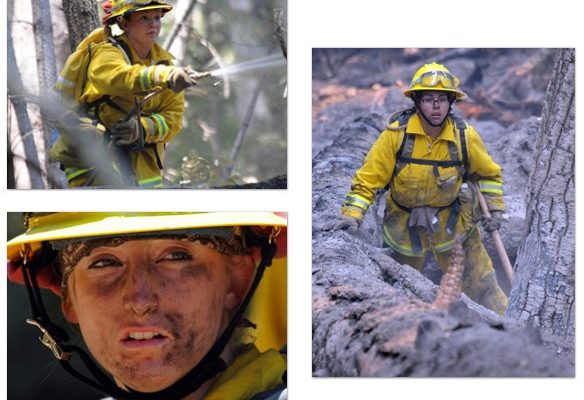
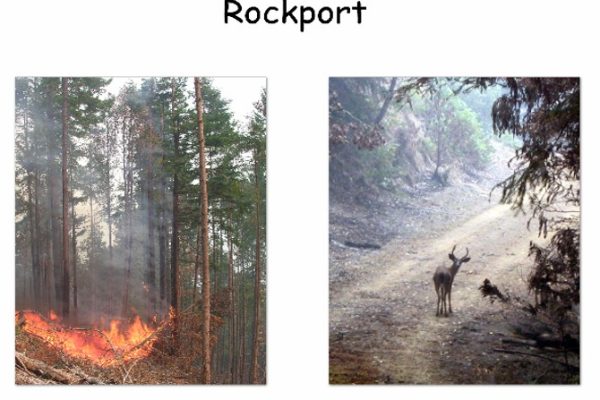
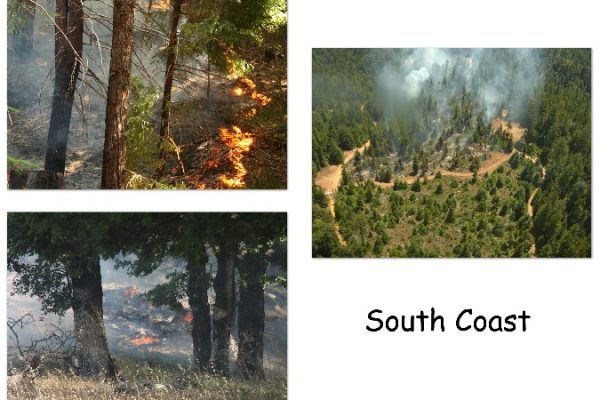
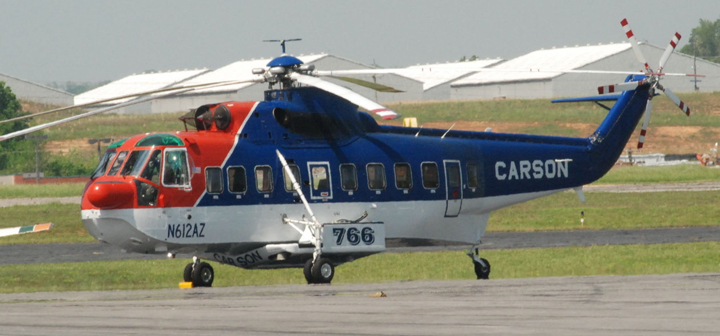
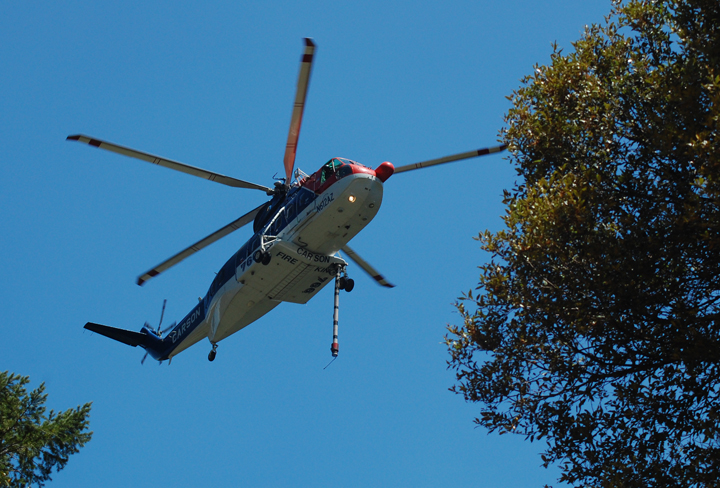
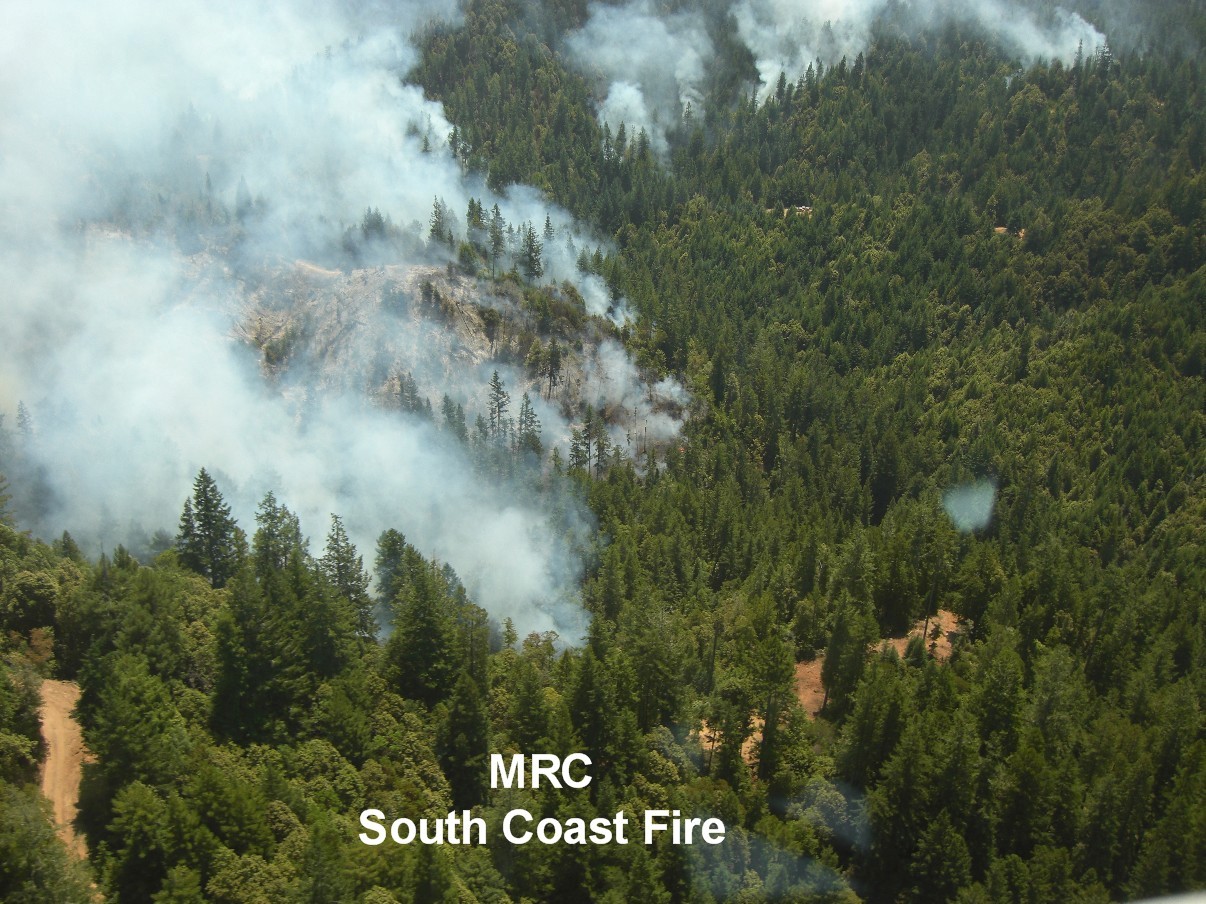
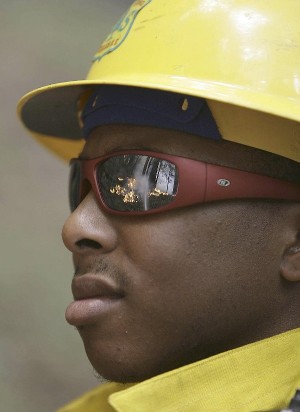
Beginning June 20, 2008 and continuing into the early hours of June 21, severe thunderstorms swept across northern and central California. More than 6000 lightning strikes sparked over 2000 wildfires in 26 counties and eventually burned 1.2 million acres—a new state record for acres burned in a single fire event. History had been made. “That has definitely surpassed any of our large fire events,” said Daniel Berlant, a spokesman for the California Department of Forestry and Fire Protection (Los Angeles Times, 15 July 2008). More than 25,000 fire-fighters from across the state, nation, and world battled the fires. Because the lightning fires were mainly in forests, timberlands, and rural areas, only 511 structures were destroyed.
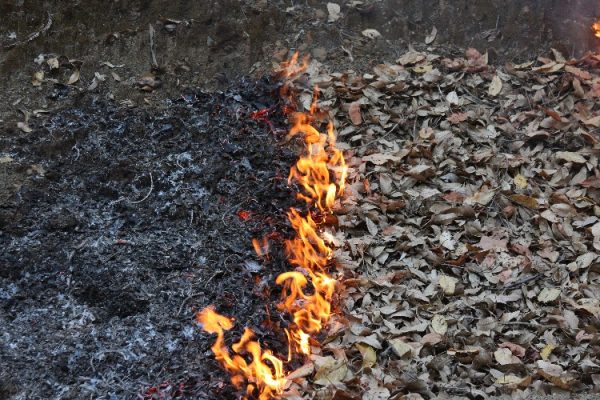


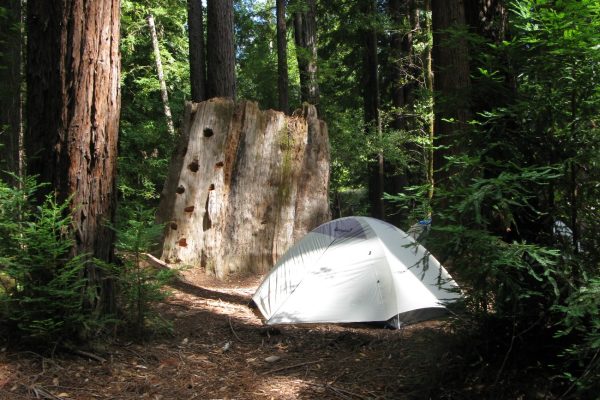
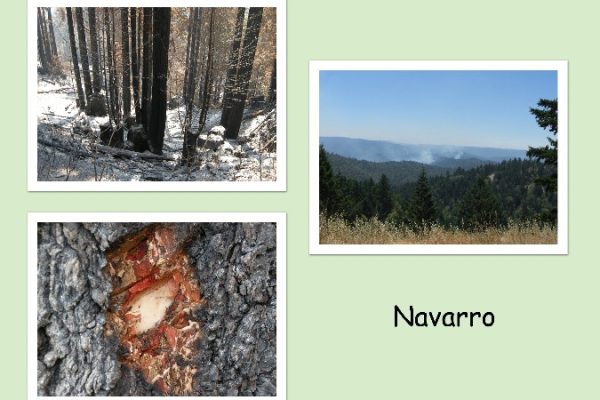
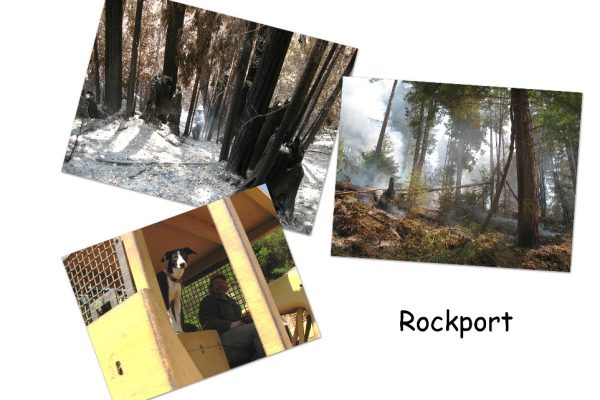

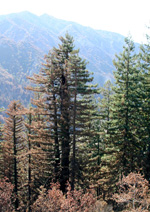
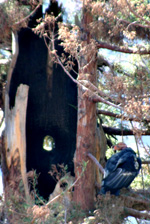
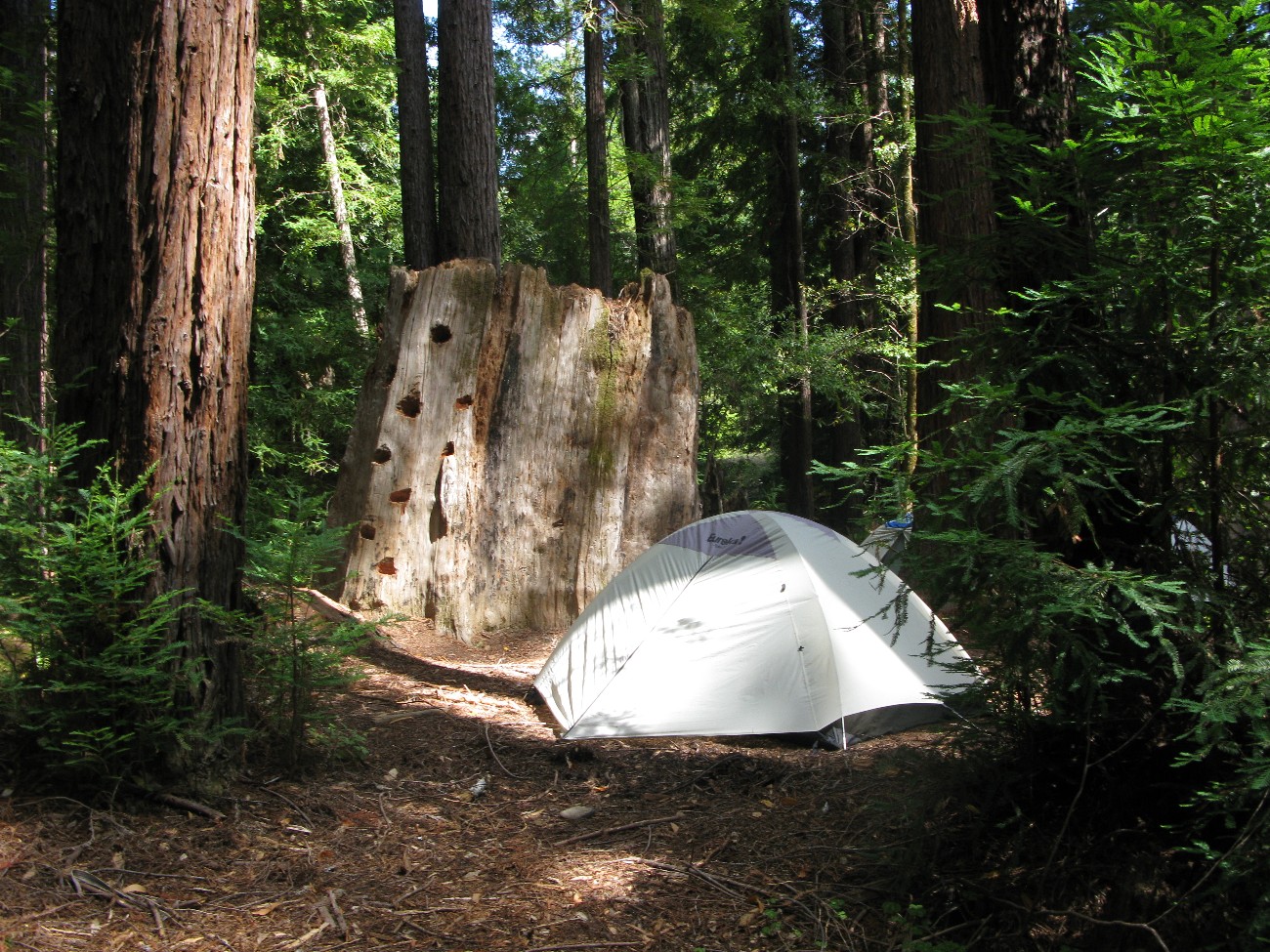
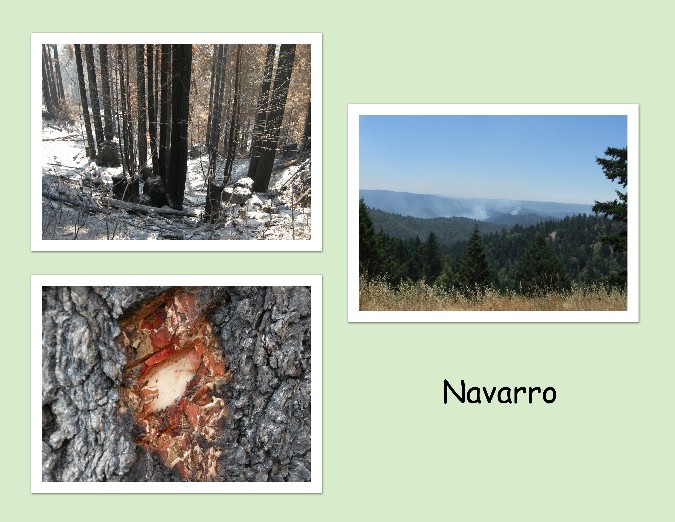
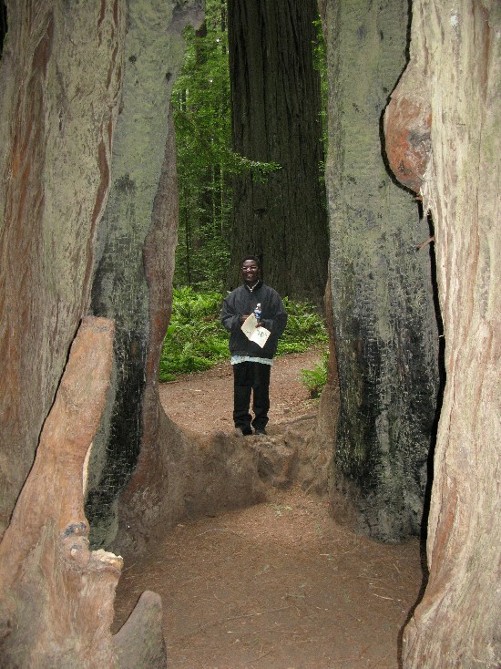 to 1 ft thick and crowns that might start 150 ft or more above the ground, redwoods—especially ancient redwoods—are highly resistant to fire. It is unlikely that a fire would destroy a stand of old-growth redwoods. Walk through any of the coastal redwood parks, like Montgomery Woods, Hendy Woods, Muir Woods, or Rockefeller Forest, and you will see black-scarred bark and scooped out trunk bases that are testimony to earlier fires. To really appreciate the bulk of a redwood tree, stand inside one of these hollowed bases—a spacious fire cage—and reflect on the fact that a living tree still shoots up 200 feet or more above your head.