Fire from the Sky

Thunder is good, thunder is impressive; but it is lightning that does all the work.

Mark Twain (1835-1910)
The reason lightning doesn't strike twice in the same place is that the same place isn't there the second time.
Willie Tyler (1940- )
Man is the only creature that dares to light a fire and live with it. The reason? Because he alone has learned to put it out.
Henry Jackson Vandyke, Jr. (1852-1933)

California Lightning Siege (2008)

June 20, 2008, 5 PM. This was the summer solstice in California—the longest day of the year, the official start of summer. About two weeks earlier, on June 4, Governor Arnold Schwarzenegger had declared a statewide drought. “For the areas in Northern California that supply most of our water, ” Schwarzenegger said, “this March, April, and May have been the driest ever in our recorded history.” Not only had it been a dry spring, with vegetation brittle and ready to burn, but it was also unusually windy across much of northern California. Still no one, not even the meteorologists, foresaw what was about to happen.

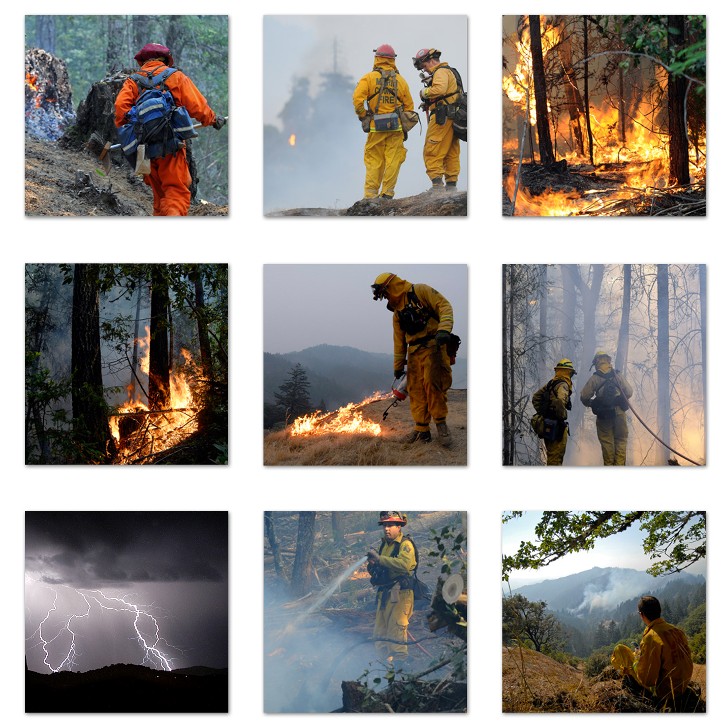
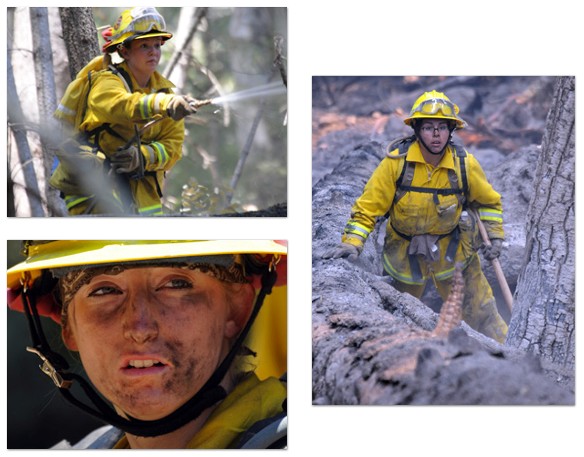
Beginning June 20, 2008 and continuing into the early hours of June 21, severe thunderstorms swept across northern and central California. More than 6000 lightning strikes sparked over 2000 wildfires in 26 counties and eventually burned 1.2 million acres—a new state record for acres burned in a single fire event. History had been made. “That has definitely surpassed any of our large fire events,” said Daniel Berlant, a spokesman for the California Department of Forestry and Fire Protection (Los Angeles Times, 15 July 2008). More than 25,000 fire-fighters from across the state, nation, and world battled the fires. Because the lightning fires were mainly in forests, timberlands, and rural areas, only 511 structures were destroyed.
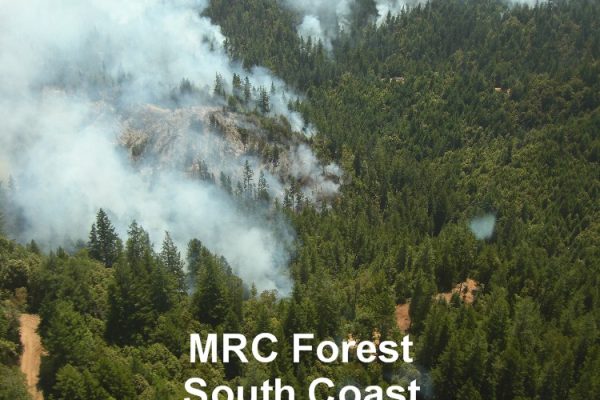
Photos

Videos Mendocino Lightning Complex 2008

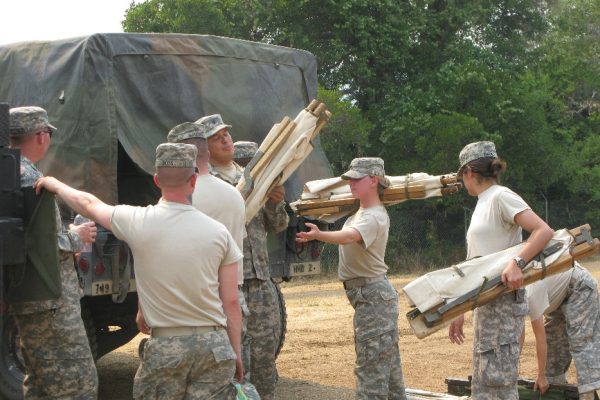
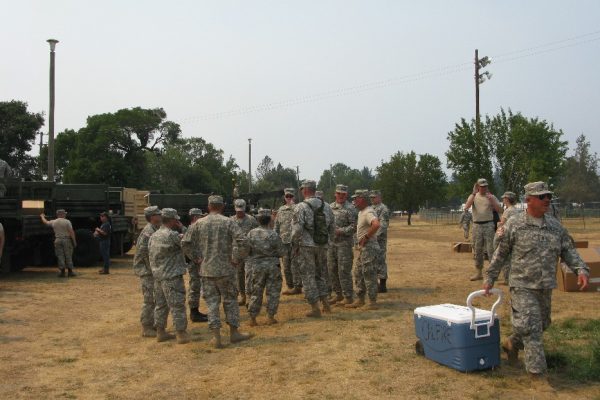
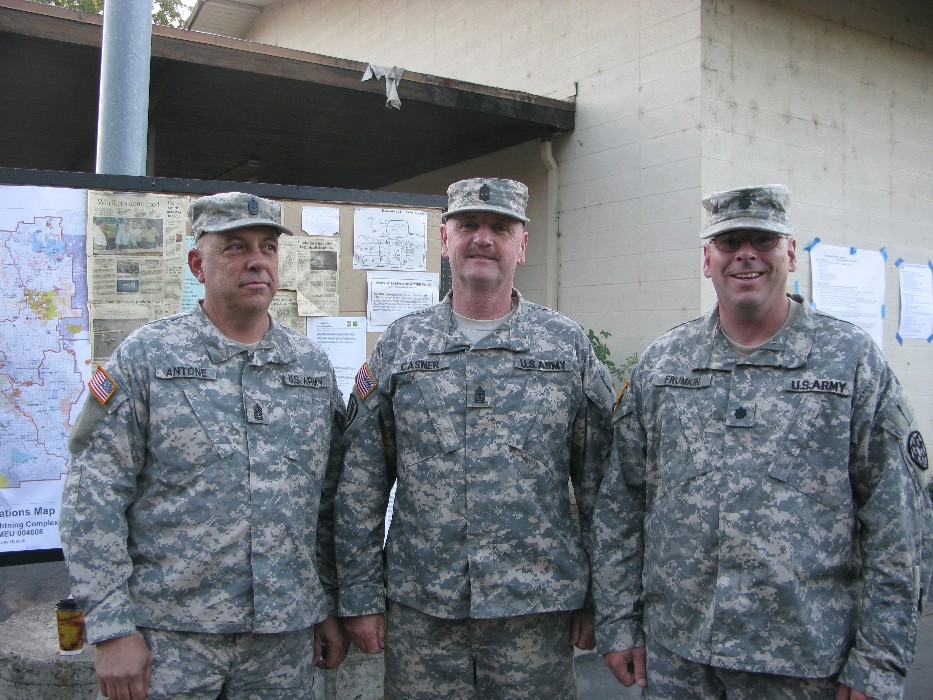
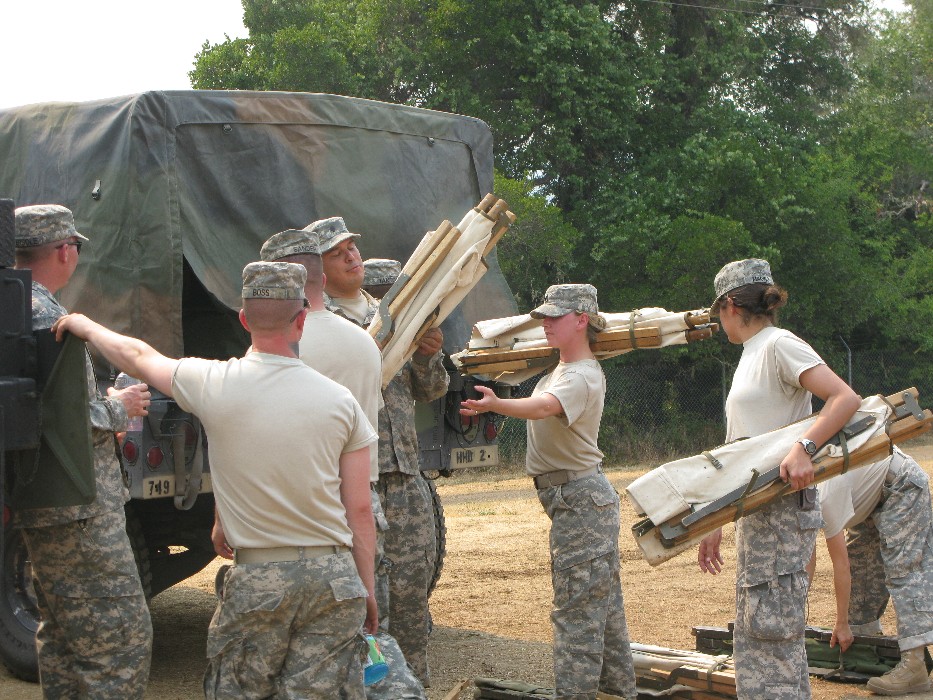
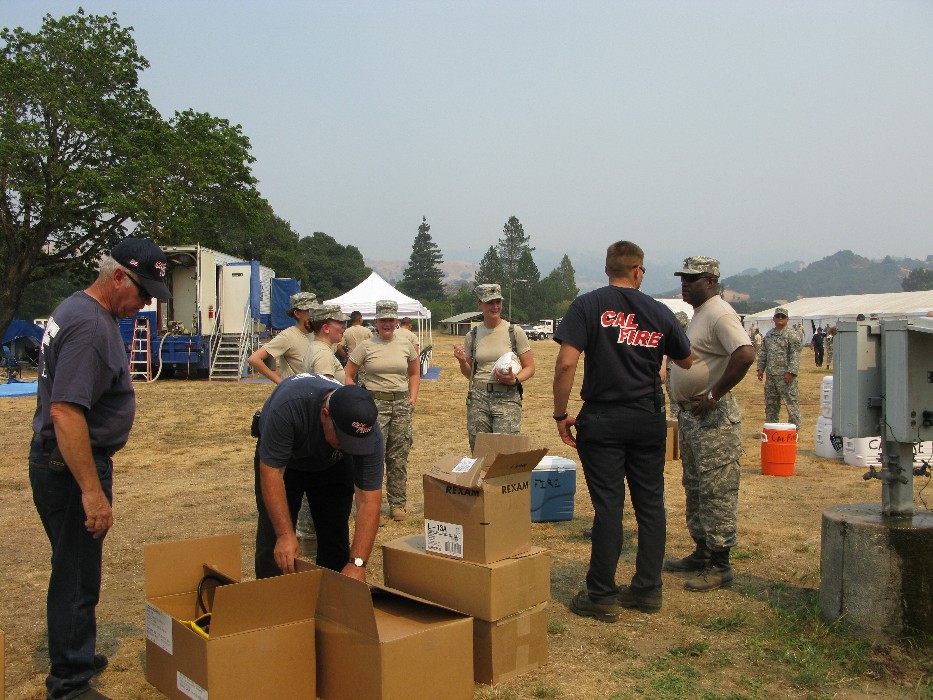
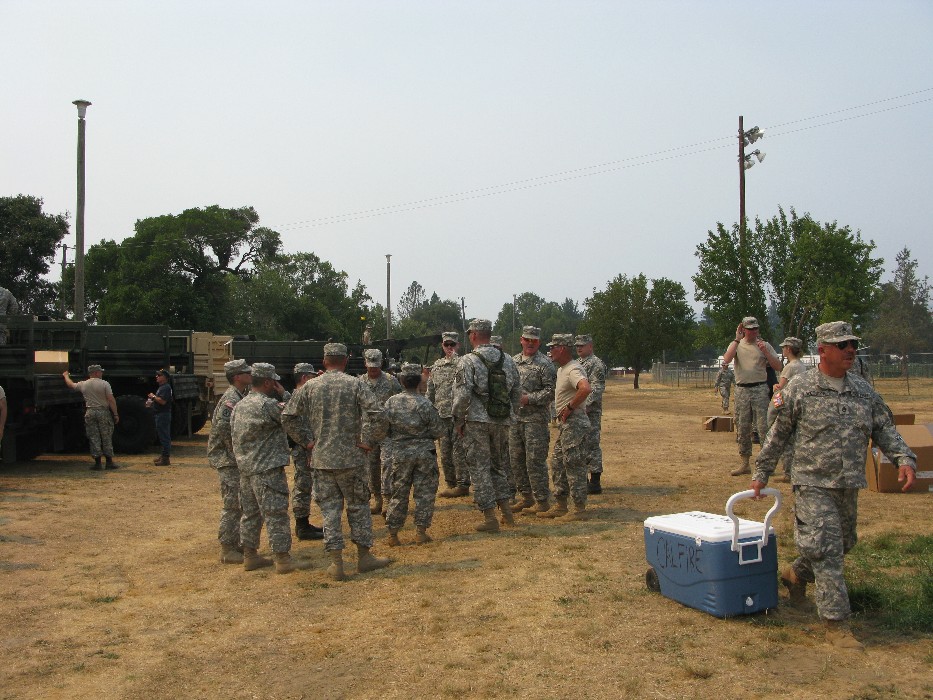
National Guard Mop-up
July 2008
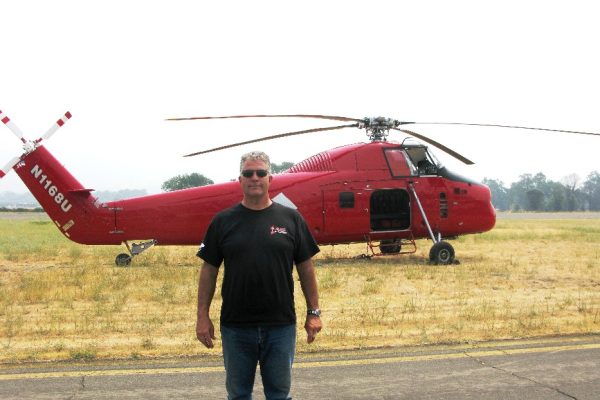
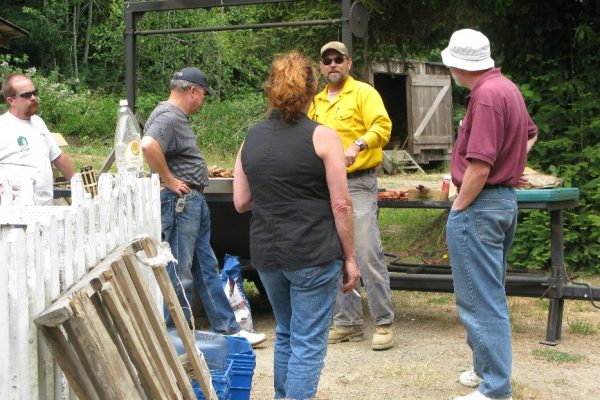
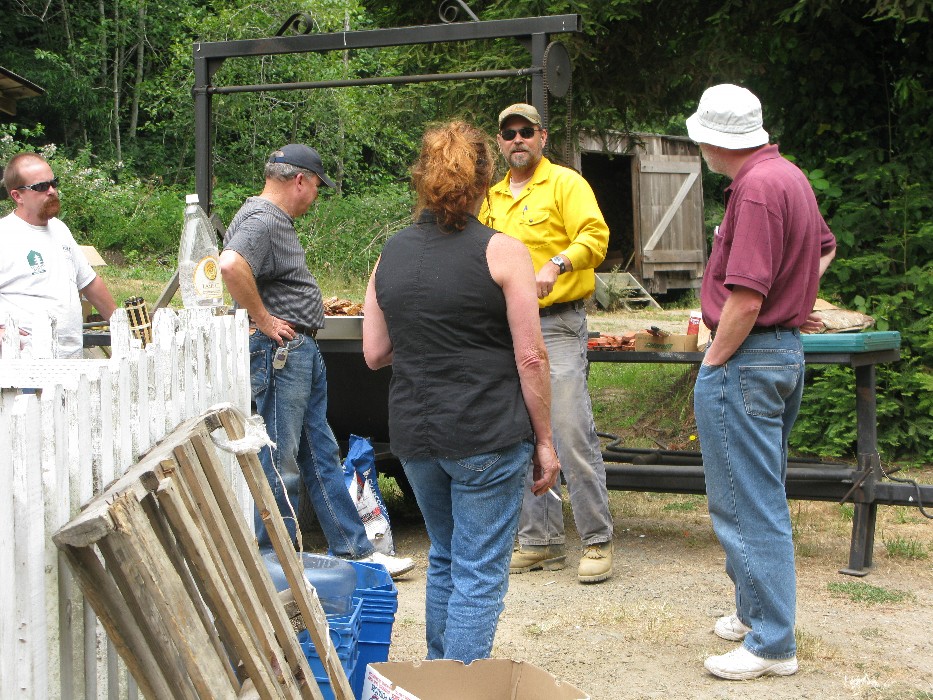
Thermo-Gel Operations
MRC Road Department
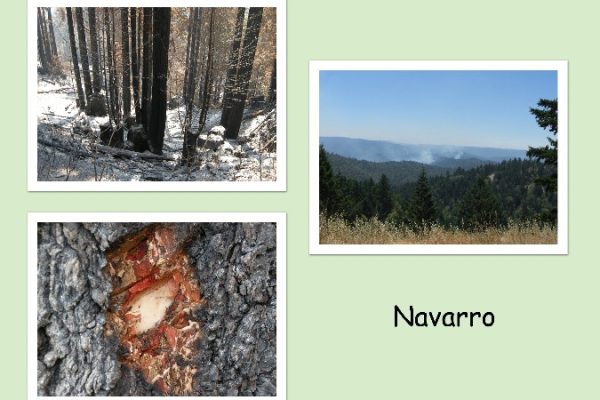
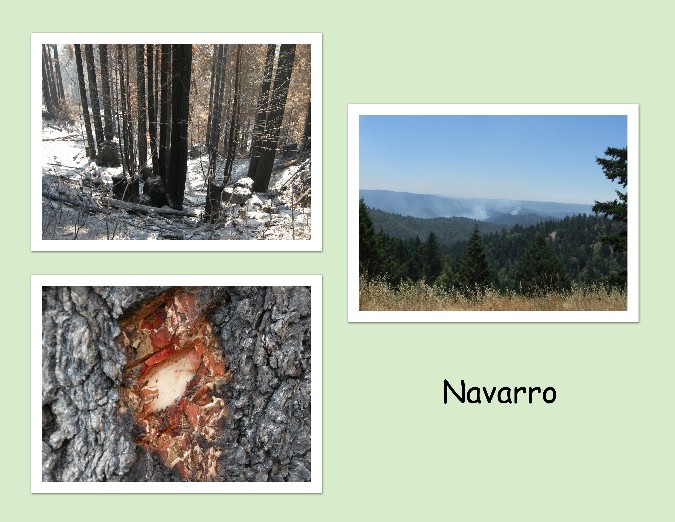
Navarro
2 July 2008
Mike Wheelock
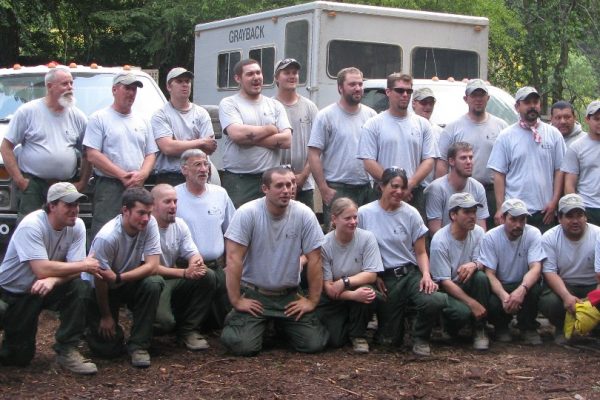
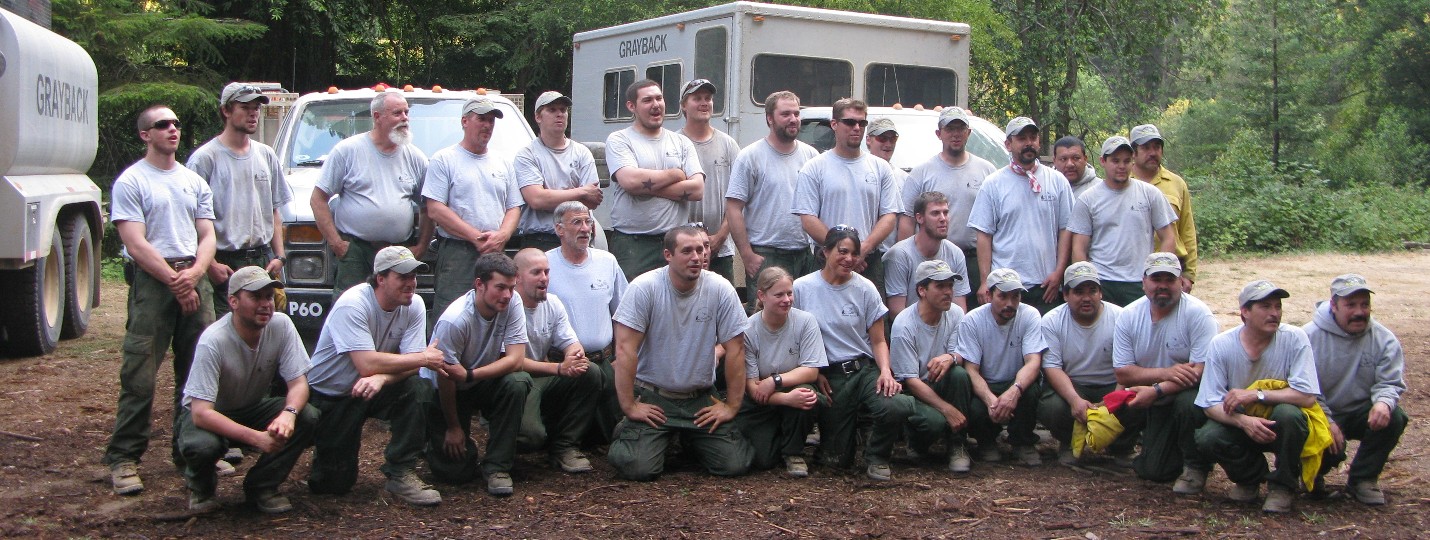
Grayback Forestry
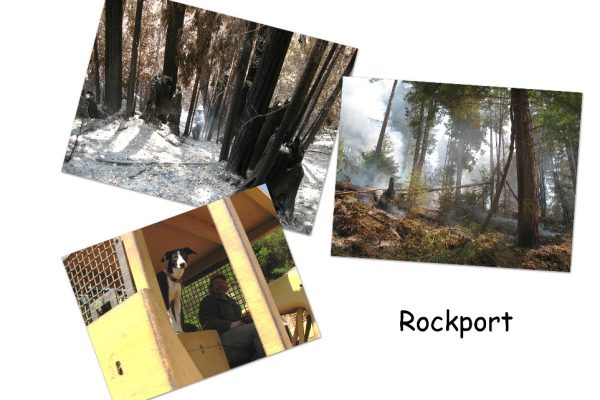
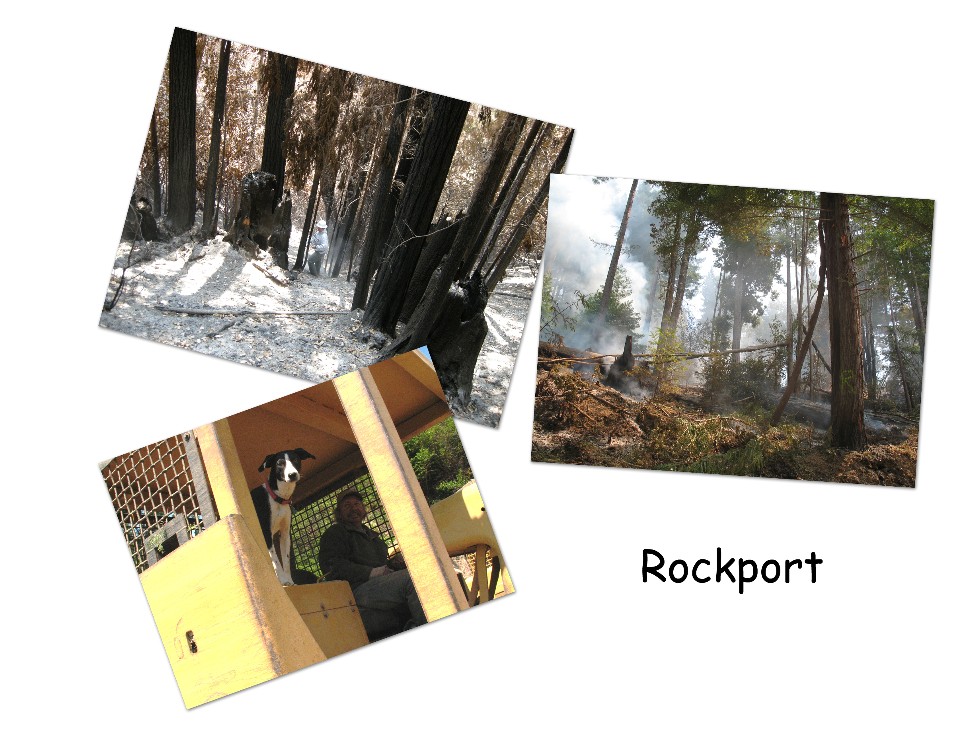
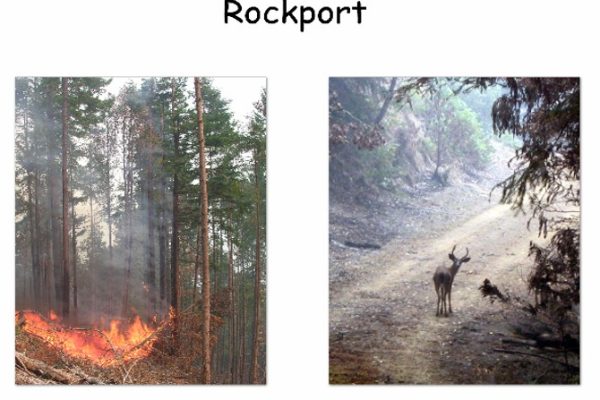
Rockport
3 July 2008
"Hardy Fire"
Cpt. Brain Kornegay
CAL FIRE
Ukiah Station
10 October 2008
"Montgomery Woods"
John Andersen
Rockport
8 July 2008, 8 a.m.
Recap of Rockport Fires
John Andersen
Rockport
8 July 2008, 8 a.m.
Lessons Learned

Fire Victims

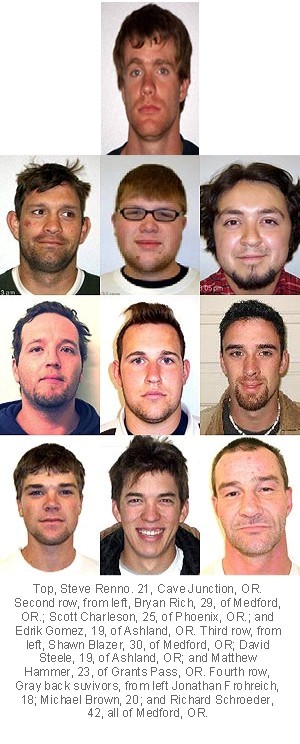
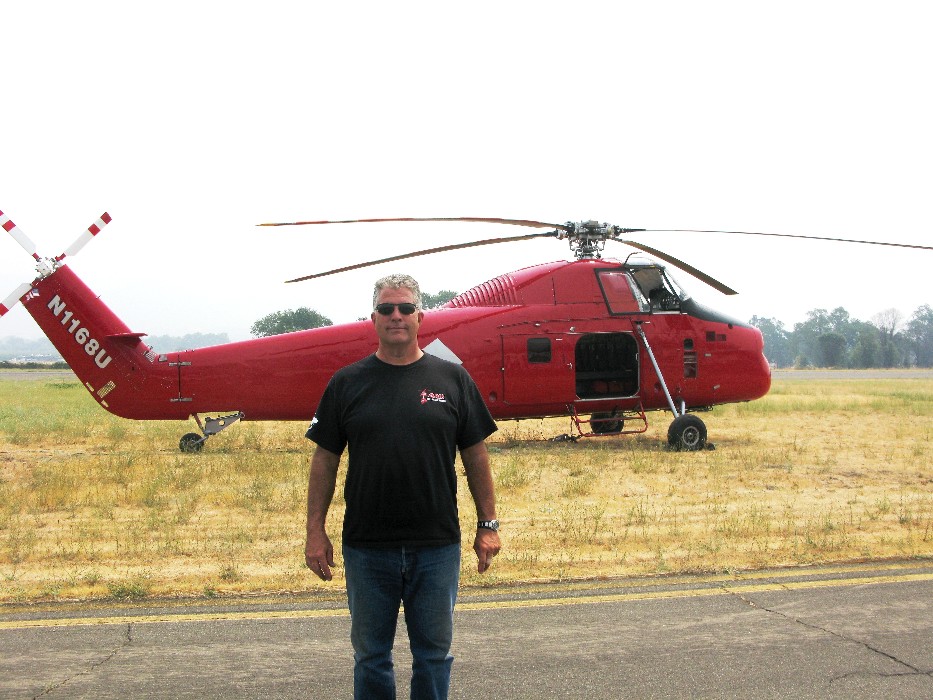
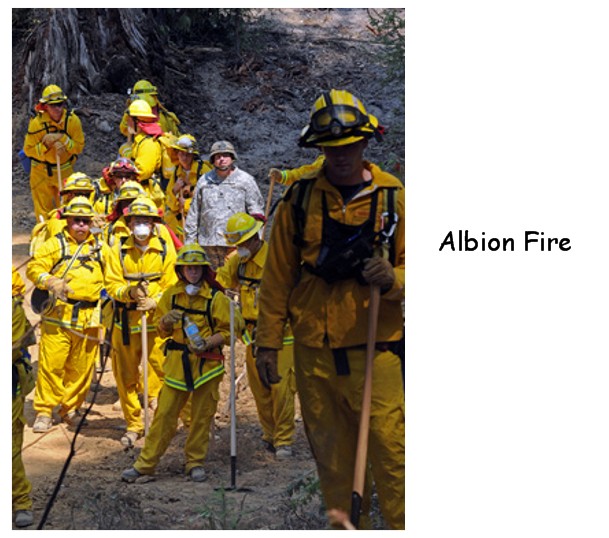
The greatest human toll of the fires was 15 lives lost. A helicopter crash on August 5th that killed 9 people, including 7 firefighters from Grayback Forestry, was the deadliest air crash involving working firefighters in U.S. history, according to the National Interagency Fire Center in Boise, Idaho. Prior to that, 7 firefighters died in a 1972 crash in Los Padres National Forest. The 2008 victims were part of a crew cutting fire-lines in steep, usually inaccessible terrain within the Shasta Trinity National Forest. Their transport helicopter, a Sikorsky S-61N, crashed seconds after take-off from a remote helipad 15 miles northwest of Junction City, CA. Four individuals survived the crash. At the time of the crash, the Buckhorn fire, part of the Iron Complex, had consumed about 18,500 acres in 6 weeks. Before it was all over, the fires in the Iron Complex burned more than 86,000 acres.

The earliest fire fatality in the 2008 Lightning Siege occurred on July 2 when a volunteer fire-fighter of Anderson Valley, Bob Roland, was overcome by fatigue and smoke while working on the Oso Fire, about 9 miles northwest of Boonville. Four other fire-fighters died over the course of the fires, some of causes not directly related to the fires themselves. According to a 2007 report by the National Wildfire Coordinating Group, heart attacks are the #1 cause of wildfire deaths for volunteer fire-fighters and the #3 cause for all wildland fire-fighters. Between 1990 and 2006, 310 fire-fighters died in wildfire operations. Of these, 72 died in aircraft accidents, 71 in vehicle accidents, 68 from heart attacks, and 64 from fire itself (Los Angeles Times, 5 July 2008). Volunteer fire-fighters accounted for 34% of all those fatalities. In the period between 1990-2006, California had the highest number of wildland firefighter deaths in the U.S., namely 64. Next highest was Colorado with 25, followed by Texas with 19.

Victims of Northern California Lightning Siege 2008

Date of Death
Name (Age)
Affiliation (State)
County Where Death Occurred
Cause of Death
July 3
Robert Roland
(63)

Anderson Valley VFD
(CA)

Mendocino
Heart Attack
July 10
John Hermo
(33)
GH Ranch
(OR)
Humboldt
Drowned off duty in Trinity River
July 11
Van S. West
Civilian
Butte
Found in structure
July 13
Steven Zinn
(27)
USFS Firefighter
(CA)
Plumas
Motorcycle accident
while off duty
July 25
Andrew Palmer
(18)
NPS Firefighter
(WA)
Trinity
Struck by tree
July 26
Daniel Packer
(49)
East Pierce Fire and Rescue Chief
(WA)
Siskiyou
Overrun by fire
August 5
Shawn Blazer
(30)
Grayback Forestry
(OR)
Trinity
S-61N Crash
August 5
Scott Charleson
(25)
Grayback Forestry
(OR)
Trinity
S-61N Crash
August 5
Matthew Hammer
(23)
Grayback Forestry
(OR)
Trinity
S-61N Crash
August 5
Edrik Gomez
(19)
Grayback Forestry
(OR)
Trinity
S-61N Crash
August 5
Bryan Rich
(29)
Grayback Forestry
(OR)
Trinity
S-61N Crash
August 5
David Steele
(19)
Grayback Forestry
(OR)
Trinity
S-61N Crash
August 5
Roark Schwanenberg
(54)
Pilot
(OR)
Trinity
S-61N Crash
August 5
Jim Ramage
(63)
USFS Check Pilot
Trinity
S-61N Crash
August 5
Steven Renno
(21)
Grayback Forestry
(OR)
Trinity
S-61N Crash
Survivors of S-61N Helicopter Crash in Trinity County on 5 August 2008
Michael Brown (20)
Grayback Forestry (OR)
Bill Coultas (44)
Pilot, Carson Helicopters
Jonathan Frohreich (18)*
Grayback Forestry (OR)
Rick Schroeder (42)
Grayback Forestry (OR)
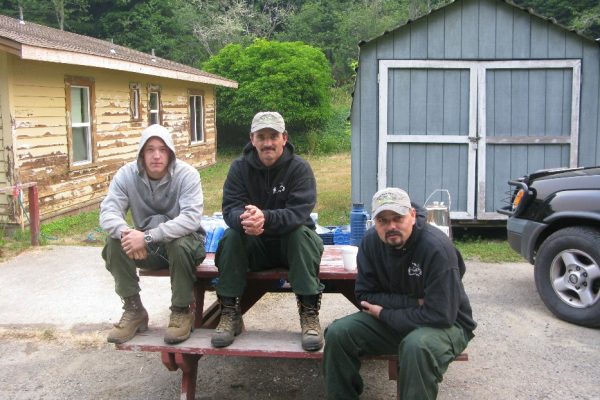
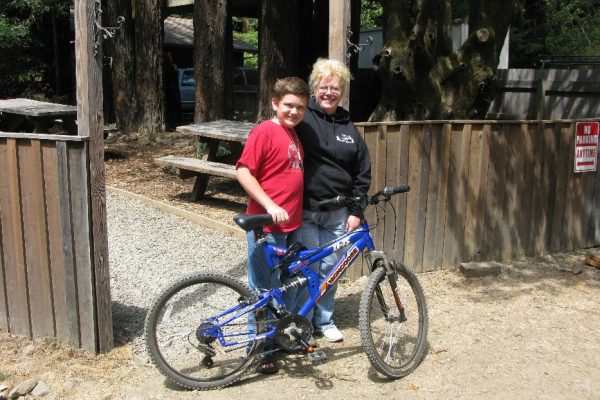
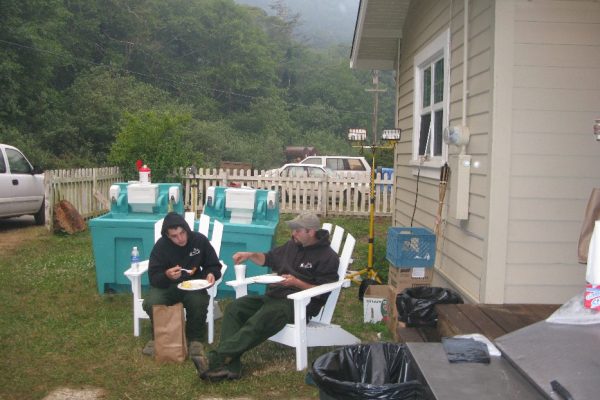
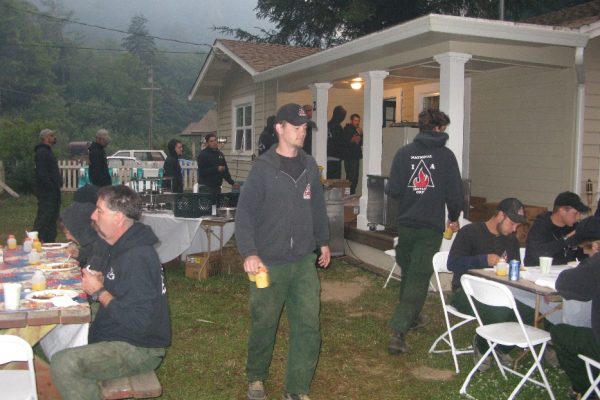
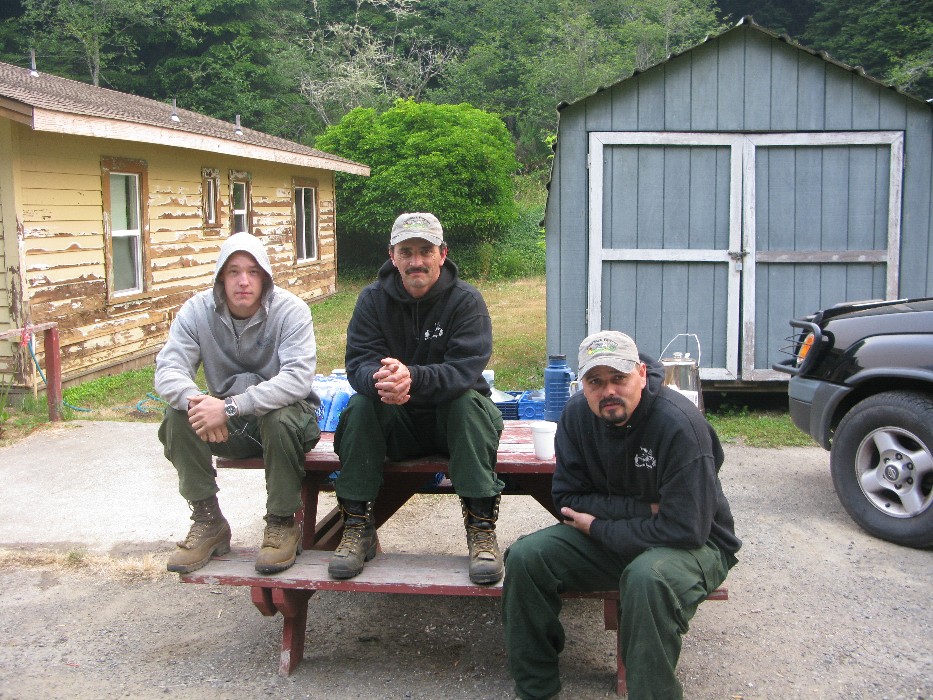
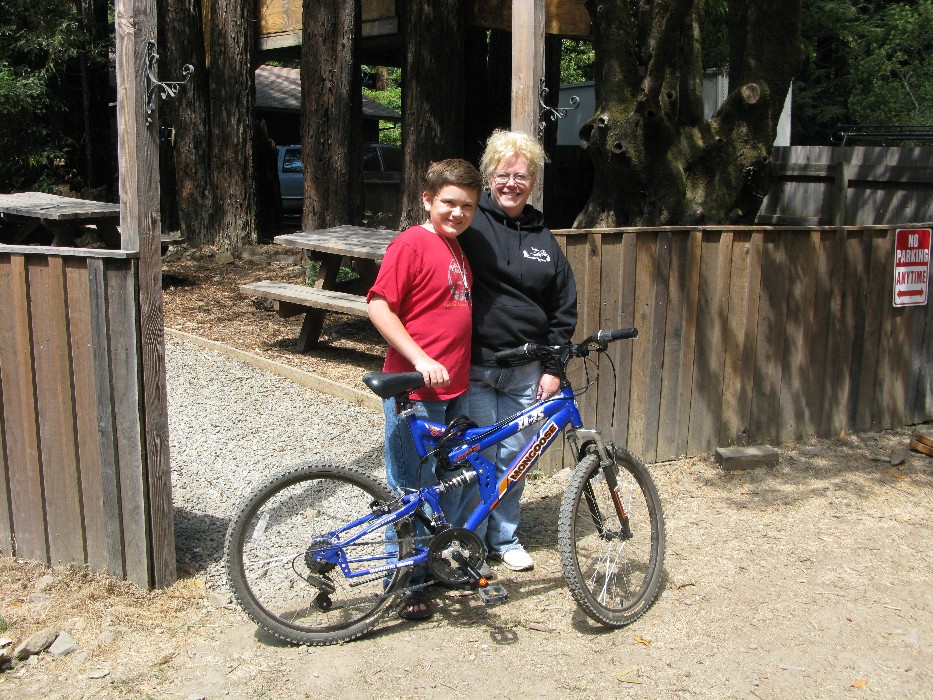
* In June/July 2008, Jonathan Frohreich was at the Navarro Boy Scout Camp, where Grayback firefighters were deployed for fire-fighting efforts on MRC land.


Primary Source

Email of Alisha Herring (CAL FIRE) to Doris Schoenhoff (MRC) on 12 September 2008.

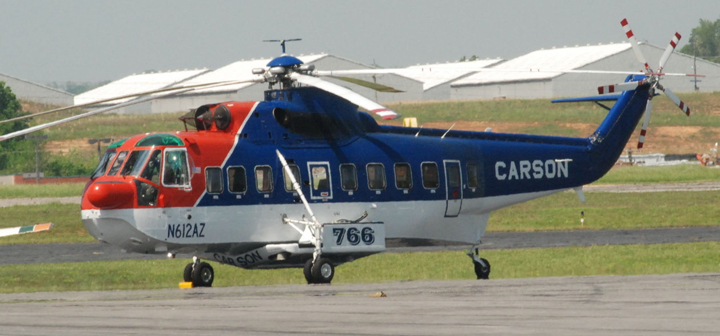
Carson Sikorsky-61N - Crashed 5 August 2008

This is the Sikorsky S-61N helicopter that crashed Tuesday at the north end of the Buckhorn Fire, about 15 miles northwest of Junction City in Trinty County. In this photo, taken on May, 2, 2008, the helicopter is at the Danville Regional Airport in Danville, VA. Photo courtesy of Richard T. Davis
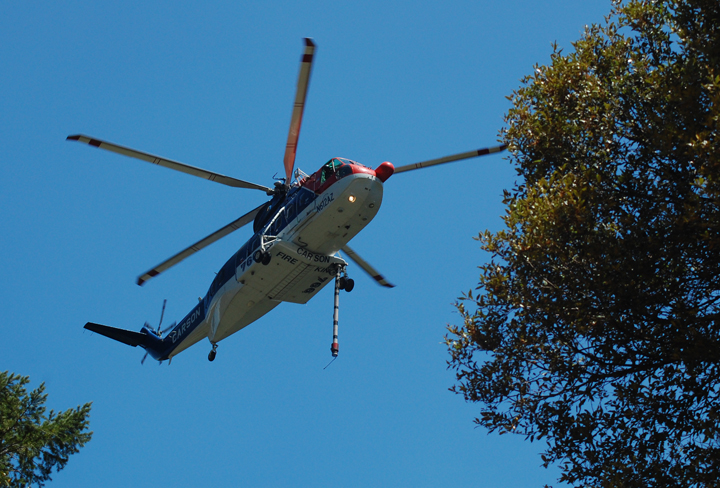
In this photo provided by Cheryl Sherpherd, a Siskorsky 61N Fire King helicopter is seen, Saturday, Aug. 2, 2008 in Trinity County, west of Junction City, Calif. This is the actual helicopter that crashed on Tuesday, Aug. 5, 2008, shortly after take off killing nine people and injuring four in the Shasta-Trinity National Forest in Calif. Photo courtesy of Cheryl Shepherd
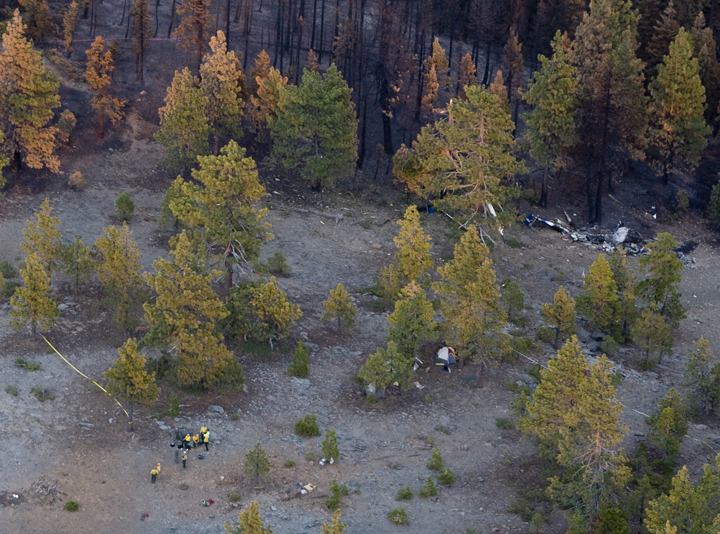
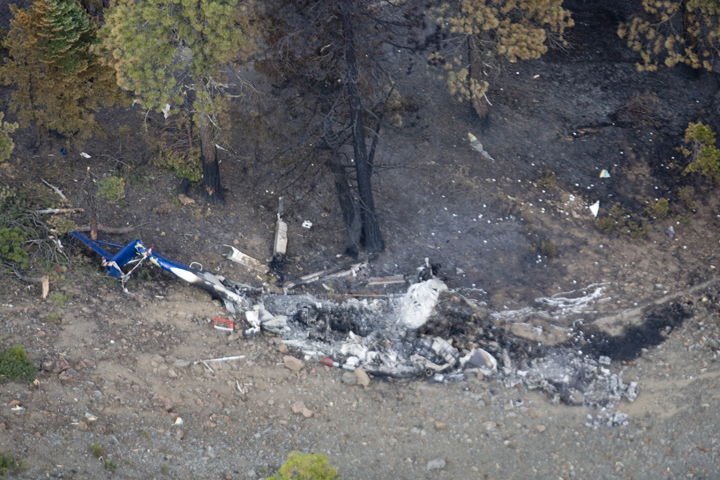
Investigators prepare to search the wreckage of a Sikorsky S-61N that crashed Tuesday, Aug. 5, 2008, killing one crew member and eight firefighters. The helicopter crashed seconds after takeoff while ferrying firefighters from a remote helipad on the Buckhorn Fire in Trinity County back to basecamp near Junction City, Calif.
NTSB investigators flew on Thursday, Aug. 7, 2008, to the wreckage of a Sikorsky S-61N that crashed Tuesday, Aug. 5, 2008, killing one crew member and eight firefighters. The helicopter crashed seconds after takeoff while ferrying firefighters from a remote helipad on the Buckhorn Fire in Trinity County back to basecamp near Junction City, Calif.

Victims of Northern California Lightning Siege 2008

Date of Death
Name (Age)
Affiliation (State)
County Where Death Occurred
Cause of Death
July 3
Robert Roland
(63)

Anderson Valley VFD
(CA)

Mendocino
Heart Attack
July 10
John Hermo
(33)
GH Ranch
(OR)
Humboldt
Drowned off duty in Trinity River
July 11
Van S. West
Civilian
Butte
Found in structure
July 13
Steven Zinn
(27)
USFS Firefighter
(CA)
Plumas
Motorcycle accident
while off duty
July 25
Andrew Palmer
(18)
NPS Firefighter
(WA)
Trinity
Struck by tree
July 26
Daniel Packer
(49)
East Pierce Fire and Rescue Chief
(WA)
Siskiyou
Overrun by fire
August 5
Shawn Blazer
(30)
Grayback Forestry
(OR)
Trinity
S-61N Crash
August 5
Scott Charleson
(25)
Grayback Forestry
(OR)
Trinity
S-61N Crash
August 5
Matthew Hammer
(23)
Grayback Forestry
(OR)
Trinity
S-61N Crash
August 5
Edrik Gomez
(19)
Grayback Forestry
(OR)
Trinity
S-61N Crash
August 5
Bryan Rich
(29)
Grayback Forestry
(OR)
Trinity
S-61N Crash
August 5
David Steele
(19)
Grayback Forestry
(OR)
Trinity
S-61N Crash
August 5
Roark Schwanenberg
(54)
Pilot
(OR)
Trinity
S-61N Crash
August 5
Jim Ramage
(63)
USFS Check Pilot
Trinity
S-61N Crash
August 5
Steven Renno
(21)
Grayback Forestry
(OR)
Trinity
S-61N Crash
Survivors of S-61N Helicopter Crash in Trinity County on 5 August 2008
Michael Brown (20)
Grayback Forestry (OR)
Bill Coultas (44)
Pilot, Carson Helicopters
Jonathan Frohreich (18)*
Grayback Forestry (OR)
Rick Schroeder (42)
Grayback Forestry (OR)
* In June/July 2008, Jonathan Frohreich was at the Navarro Boy Scout Camp, where Grayback firefighters were deployed for fire-fighting efforts on MRC land.


Primary Source

Email of Alisha Herring (CAL FIRE) to Doris Schoenhoff (MRC) on 12 September 2008.

Carson Sikorsky-61N - Crashed 5 August 2008

This is the Sikorsky S-61N helicopter that crashed Tuesday at the north end of the Buckhorn Fire, about 15 miles northwest of Junction City in Trinty County. In this photo, taken on May, 2, 2008, the helicopter is at the Danville Regional Airport in Danville, VA. Photo courtesy of Richard T. Davis
In this photo provided by Cheryl Sherpherd, a Siskorsky 61N Fire King helicopter is seen, Saturday, Aug. 2, 2008 in Trinity County, west of Junction City, Calif. This is the actual helicopter that crashed on Tuesday, Aug. 5, 2008, shortly after take off killing nine people and injuring four in the Shasta-Trinity National Forest in Calif. Photo courtesy of Cheryl Shepherd
Investigators prepare to search the wreckage of a Sikorsky S-61N that crashed Tuesday, Aug. 5, 2008, killing one crew member and eight firefighters. The helicopter crashed seconds after takeoff while ferrying firefighters from a remote helipad on the Buckhorn Fire in Trinity County back to basecamp near Junction City, Calif.
NTSB investigators flew on Thursday, Aug. 7, 2008, to the wreckage of a Sikorsky S-61N that crashed Tuesday, Aug. 5, 2008, killing one crew member and eight firefighters. The helicopter crashed seconds after takeoff while ferrying firefighters from a remote helipad on the Buckhorn Fire in Trinity County back to basecamp near Junction City, Calif.

Mendocino Lightning Complex (2008)

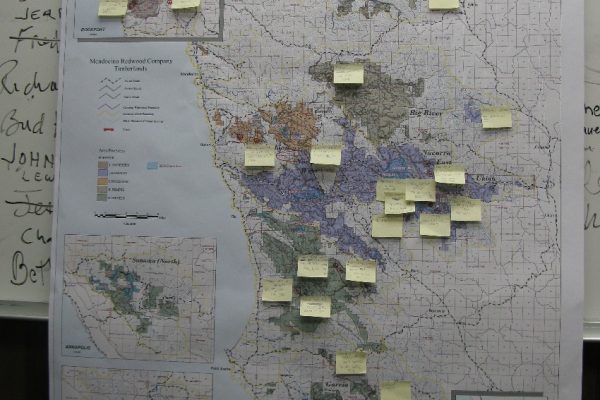
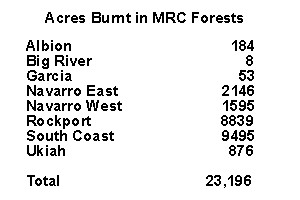
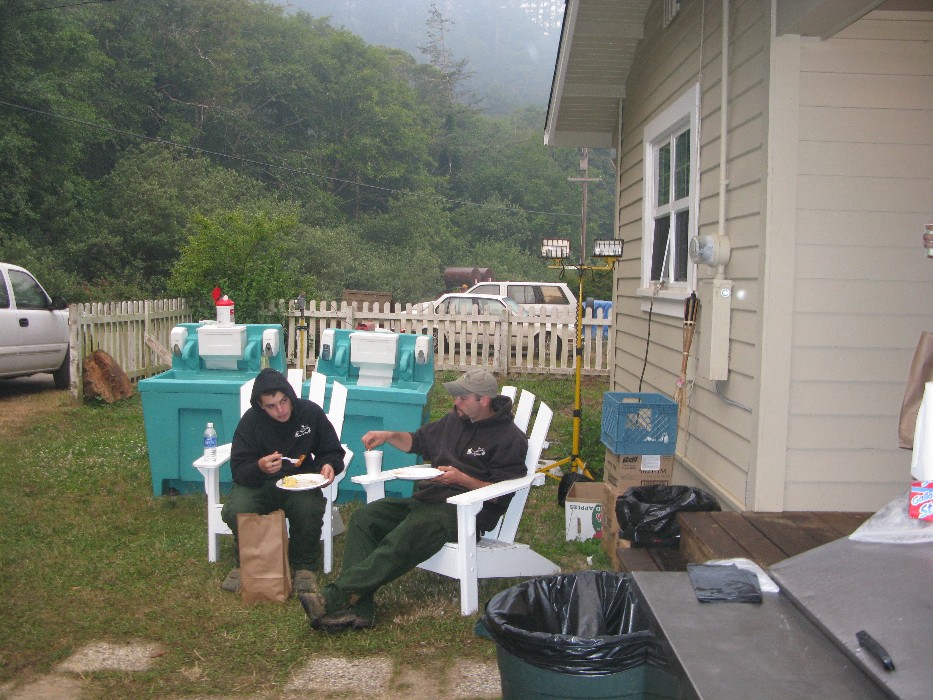
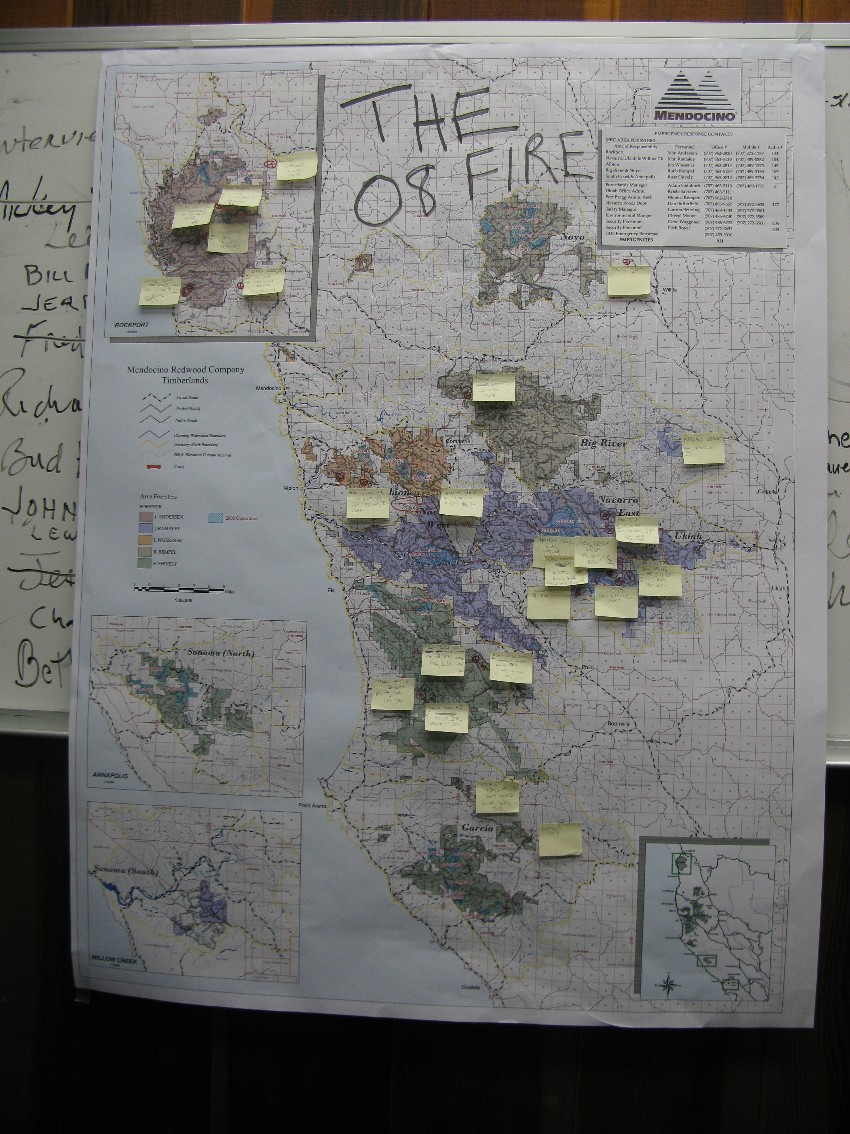
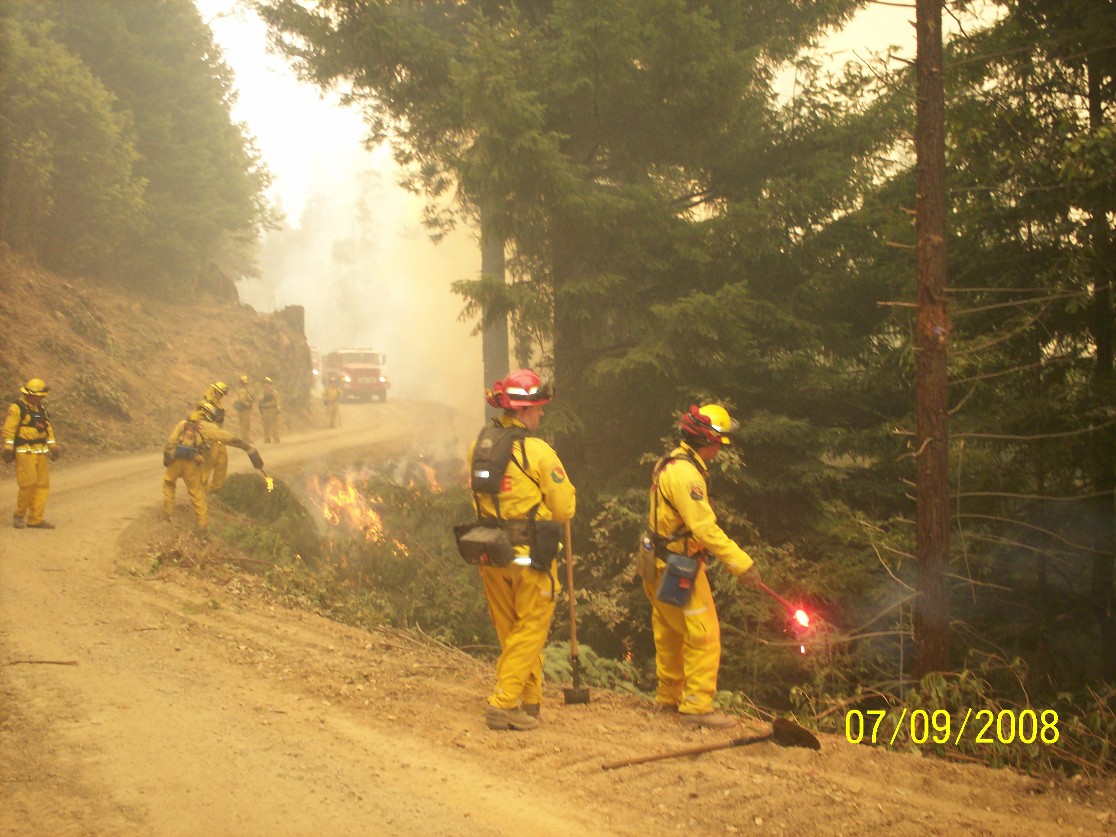
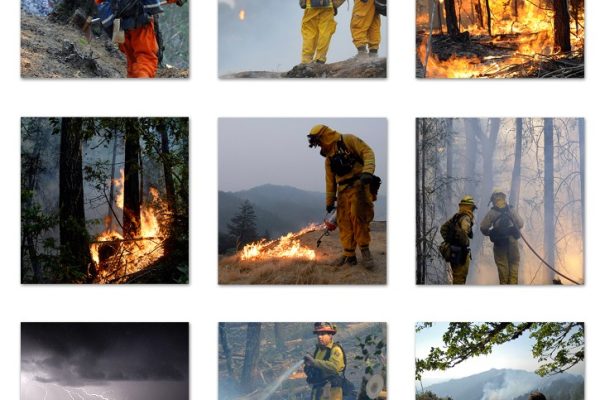
In the Mendocino Lightning Complex of 2008, one part of the greater lightning siege, there were 129 small fires which, over time and with the help of wind gusts, combined into larger fires.The sheer number of fires and their geographical extent made the event historic. On June 26, Governor Schwarzenegger declared a State of Emergency in Mendocino and Shasta Counties. Two days later, President George W. Bush issued an emergency declaration for California and ordered federal agencies to assist firefighters. By July 19, an estimated 54,817 acres had burned in Mendocino County alone; 23,196 of those acres were on MRC forest land—10% of our land base.

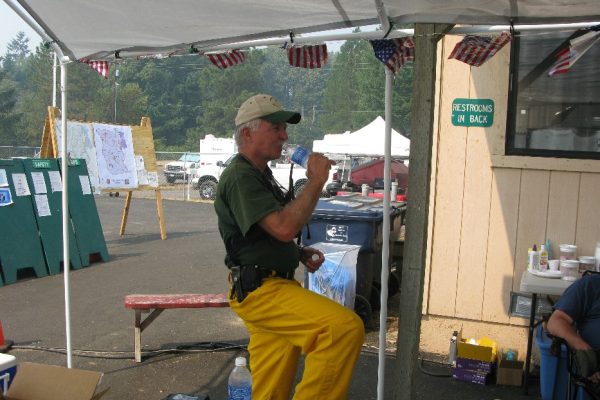
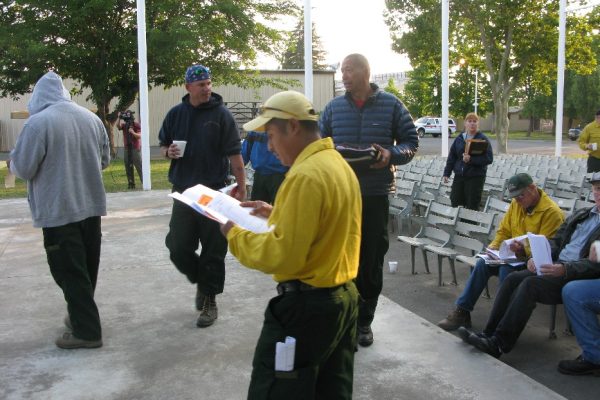
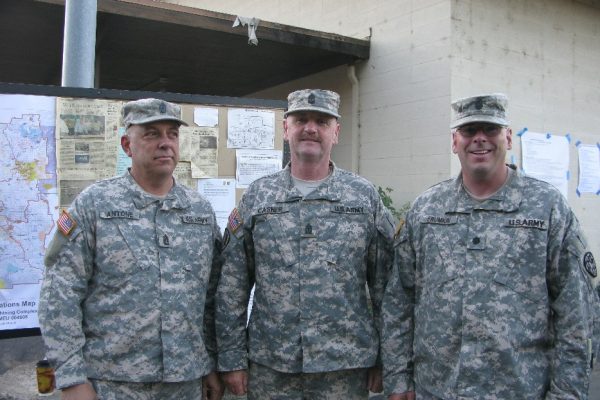
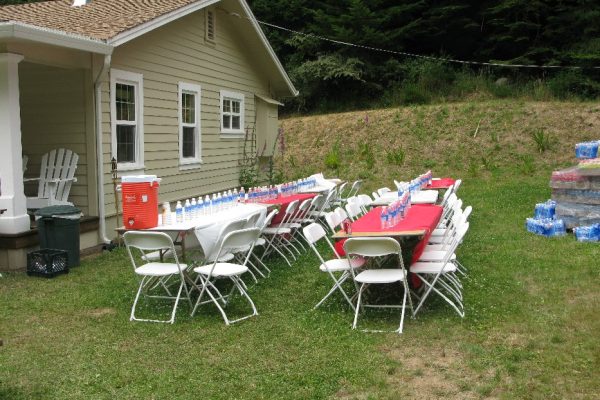
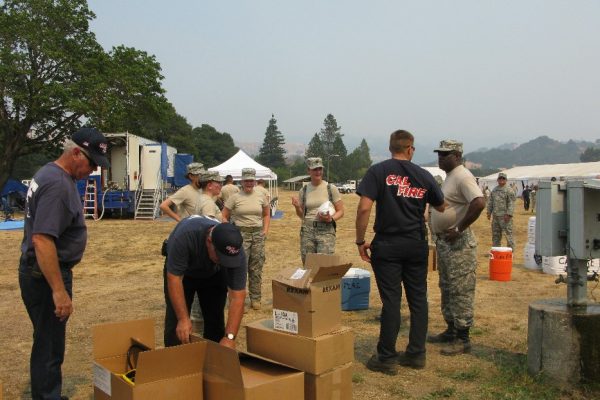
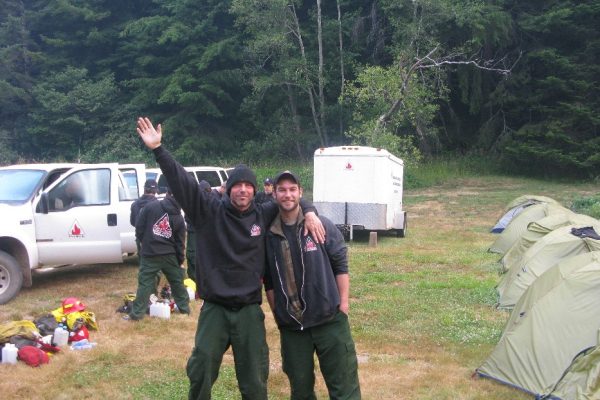
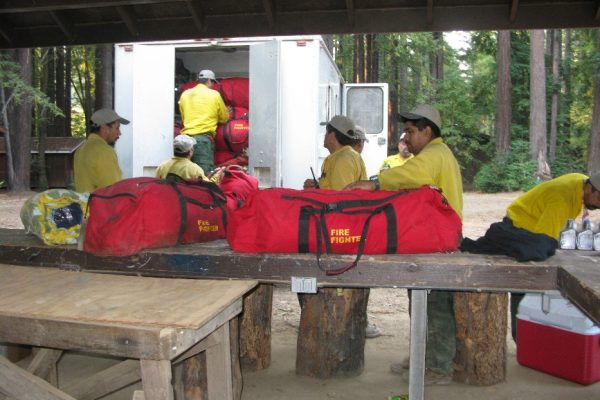
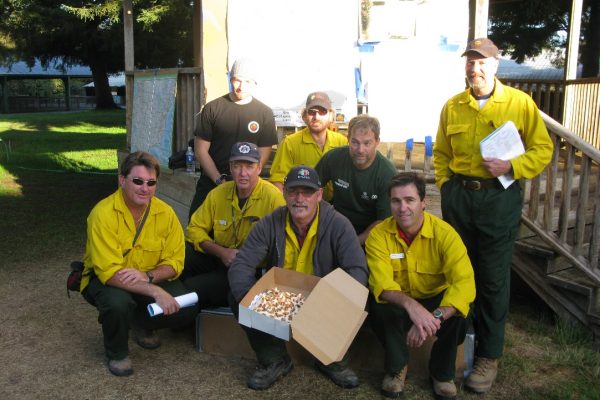
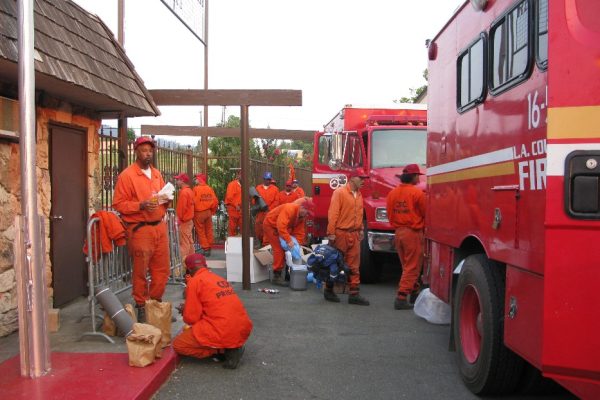
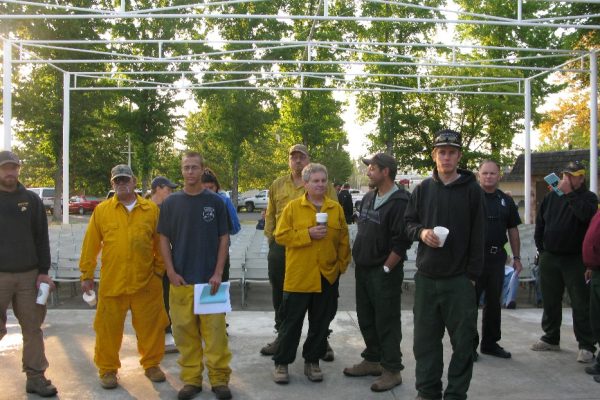
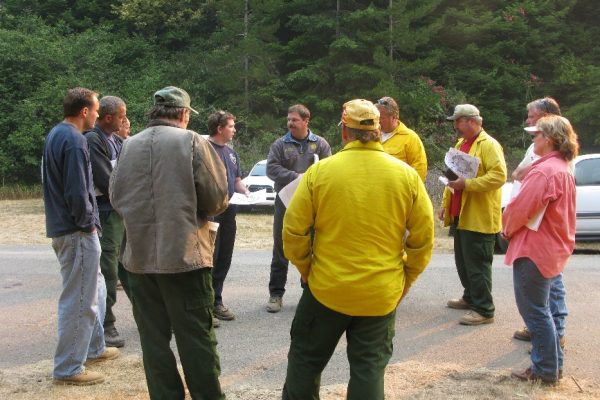
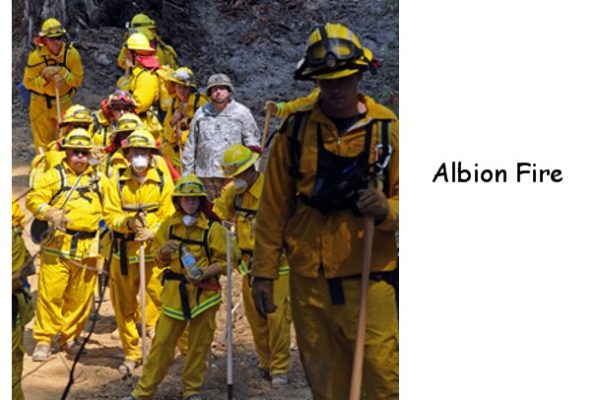
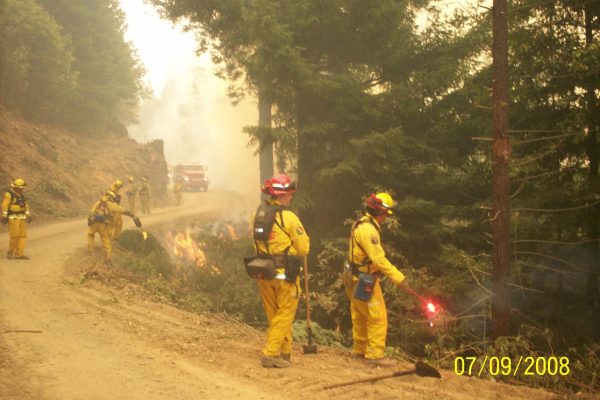
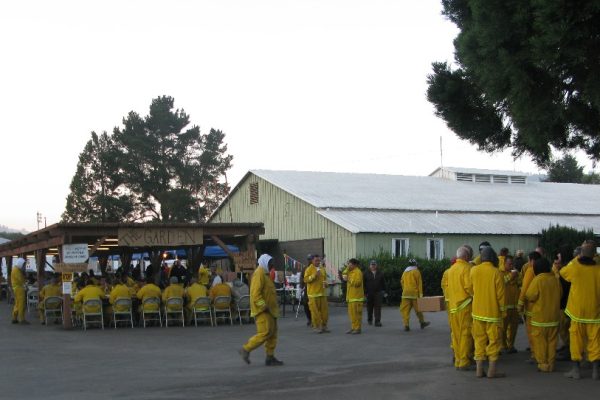
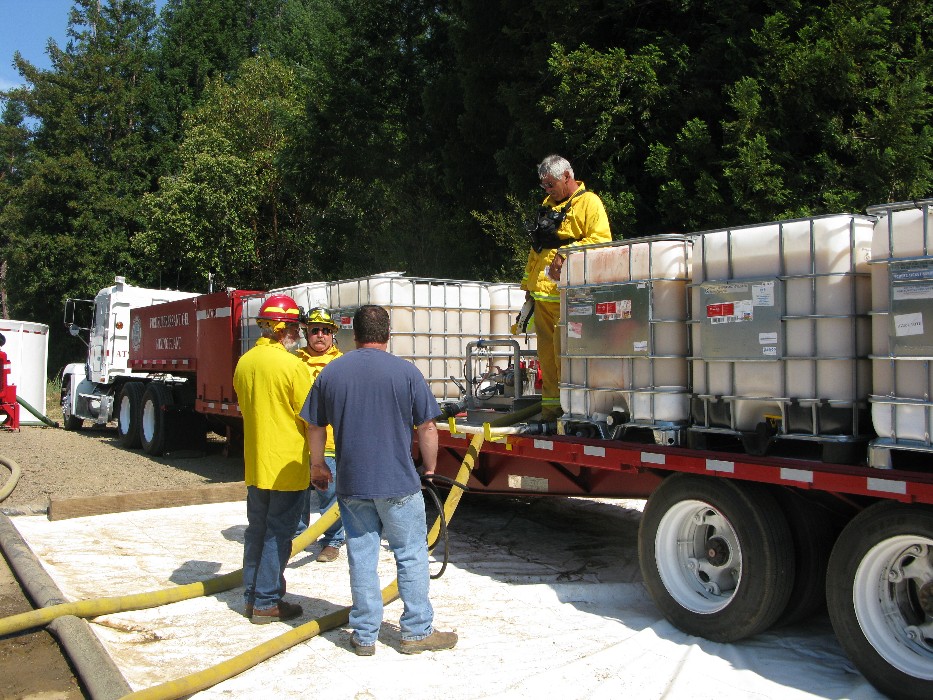
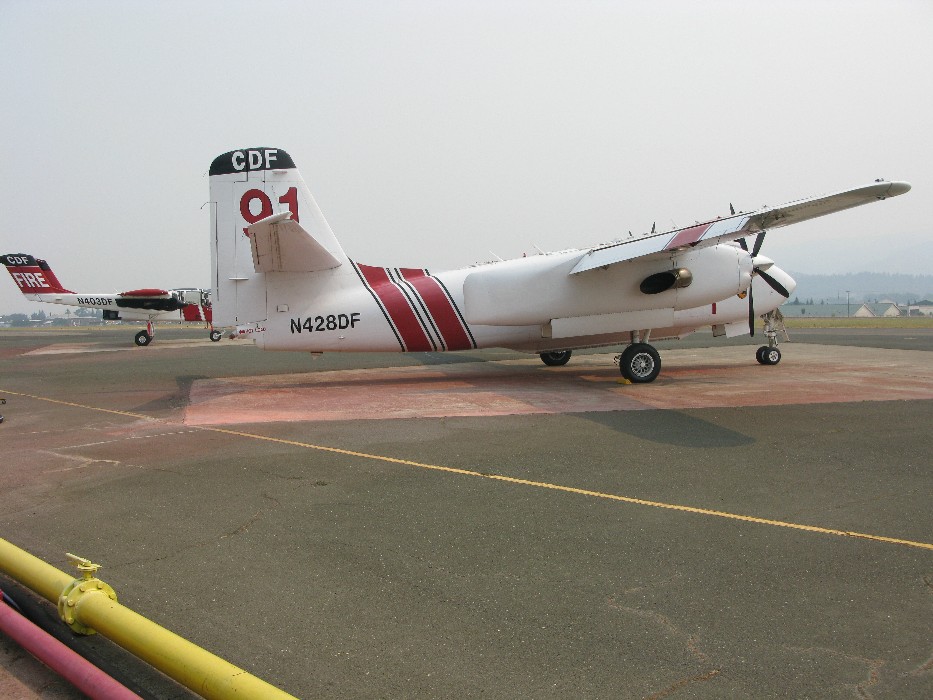
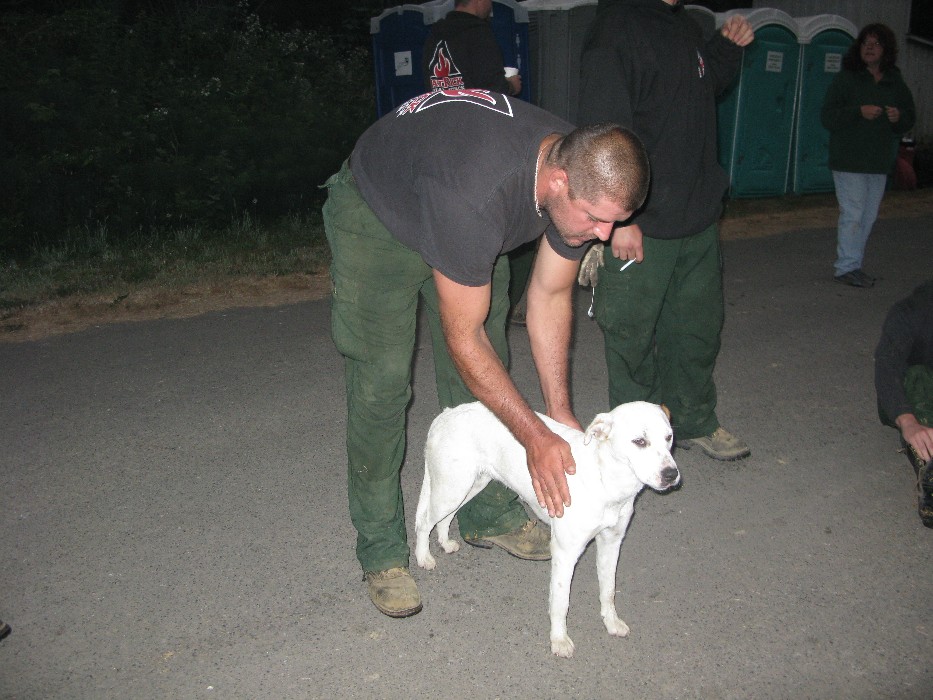
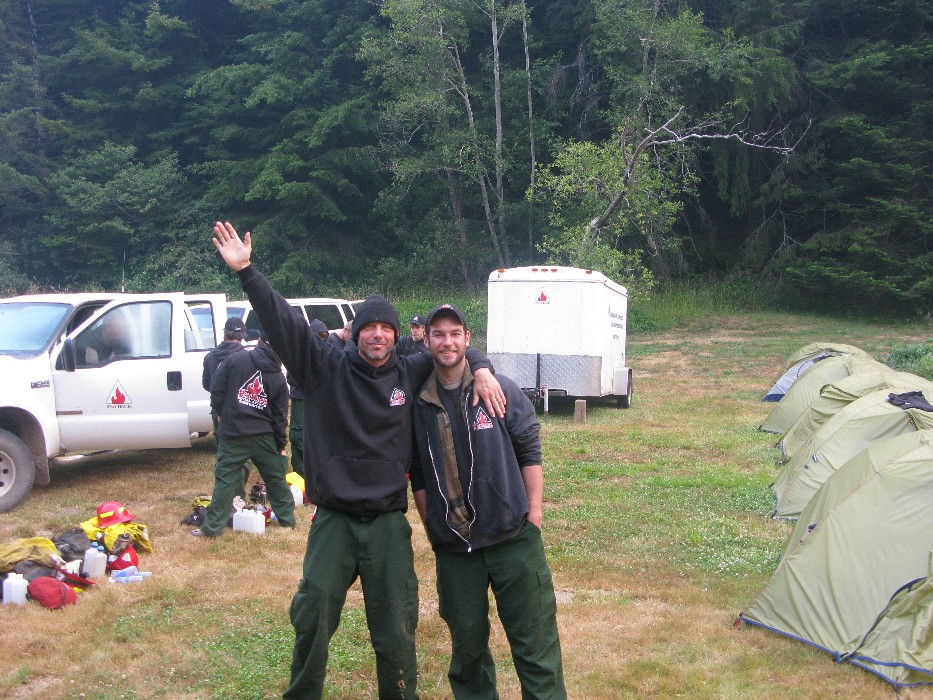
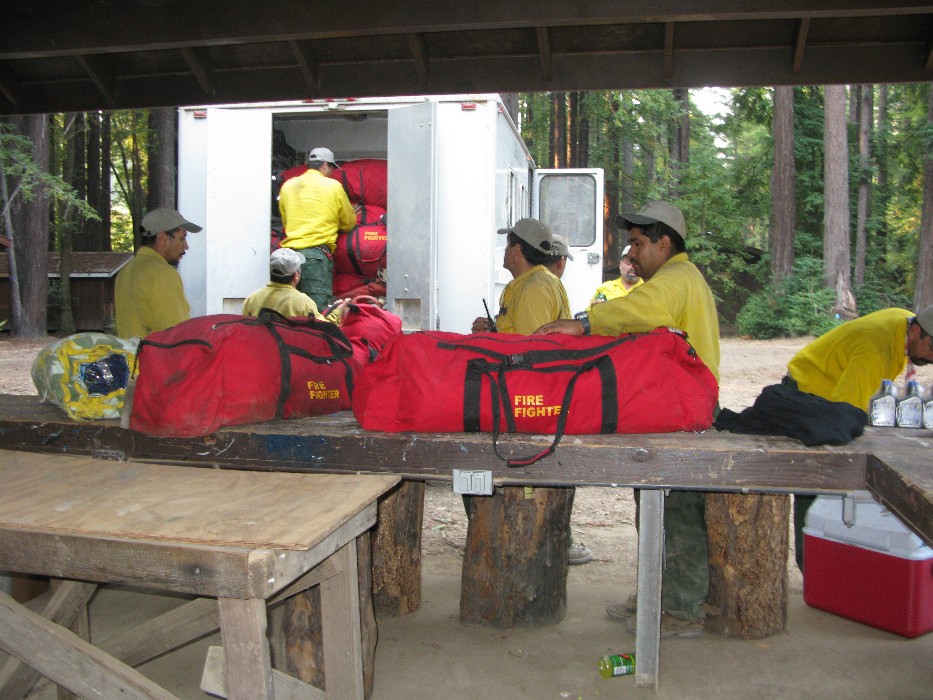
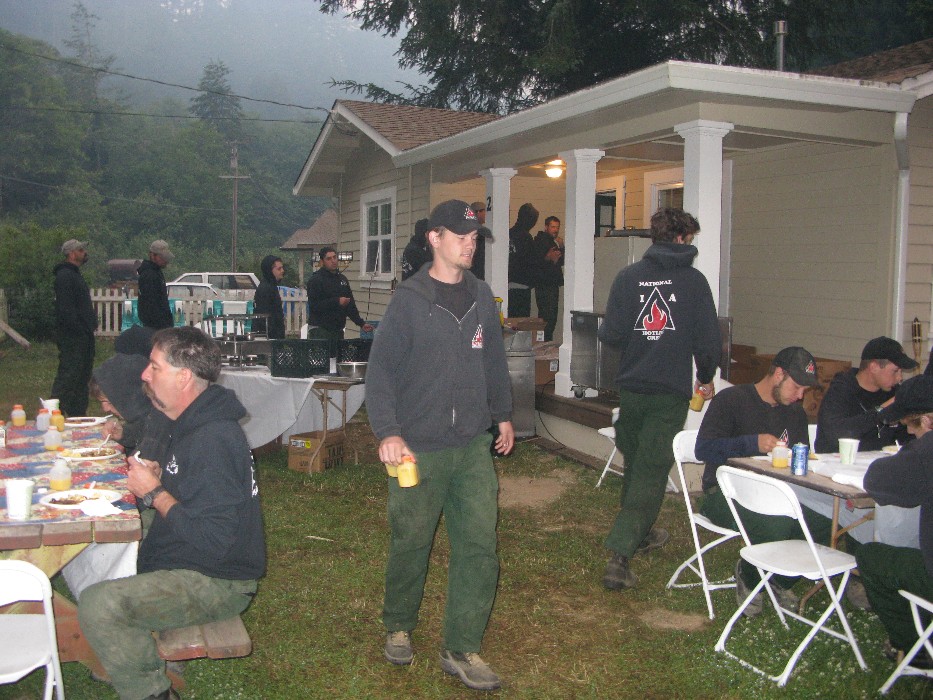
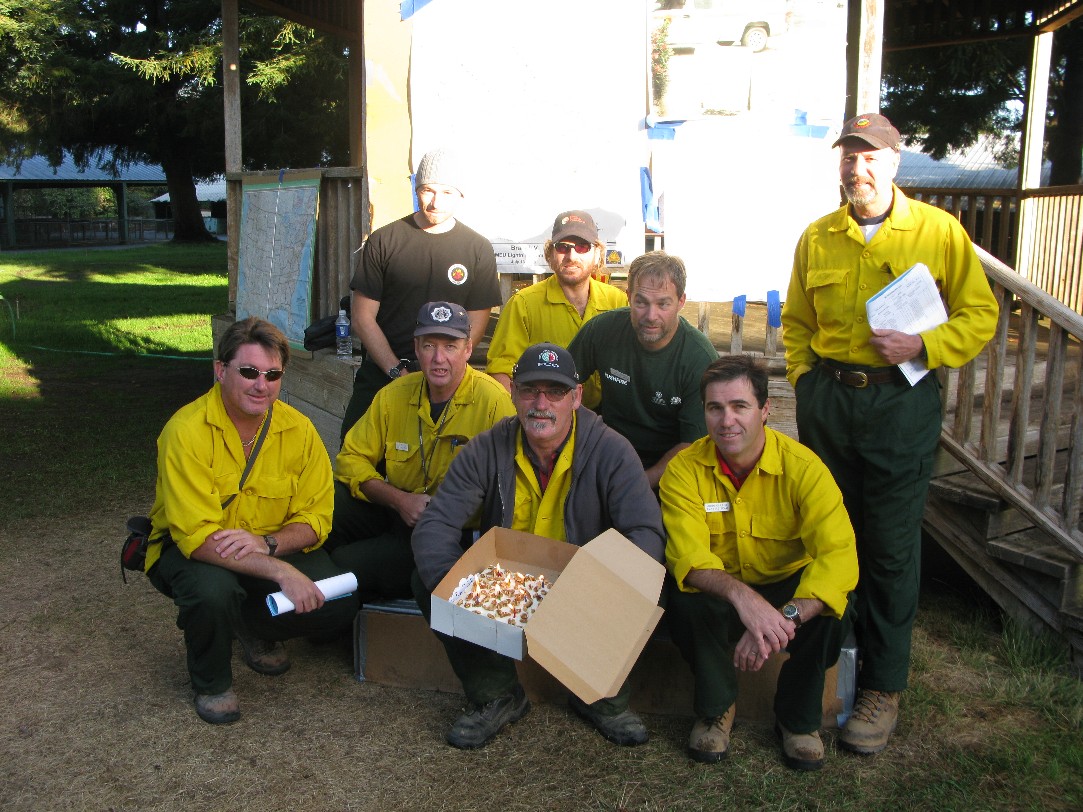
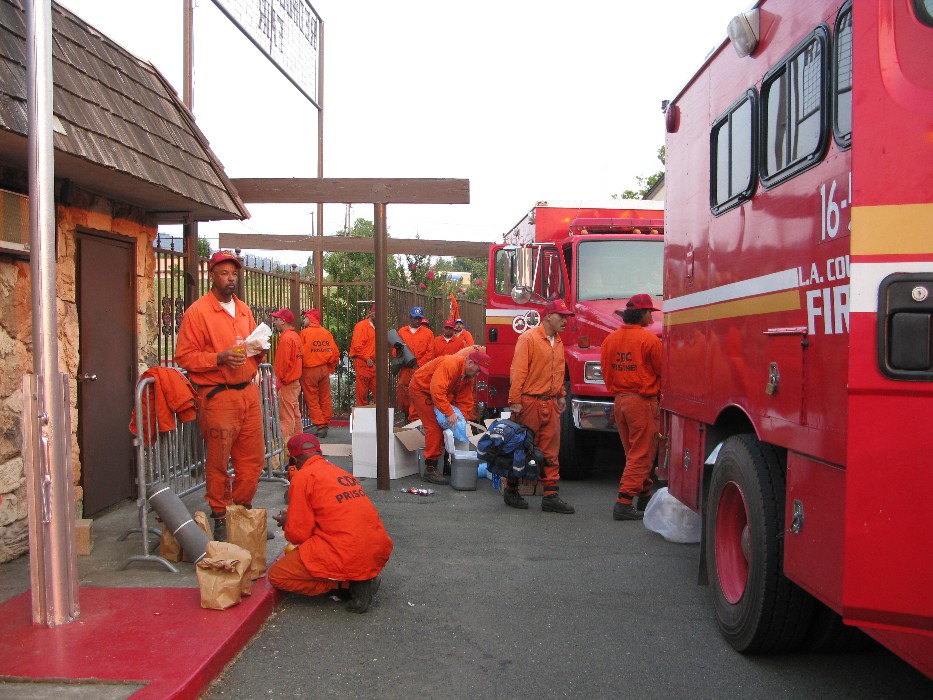
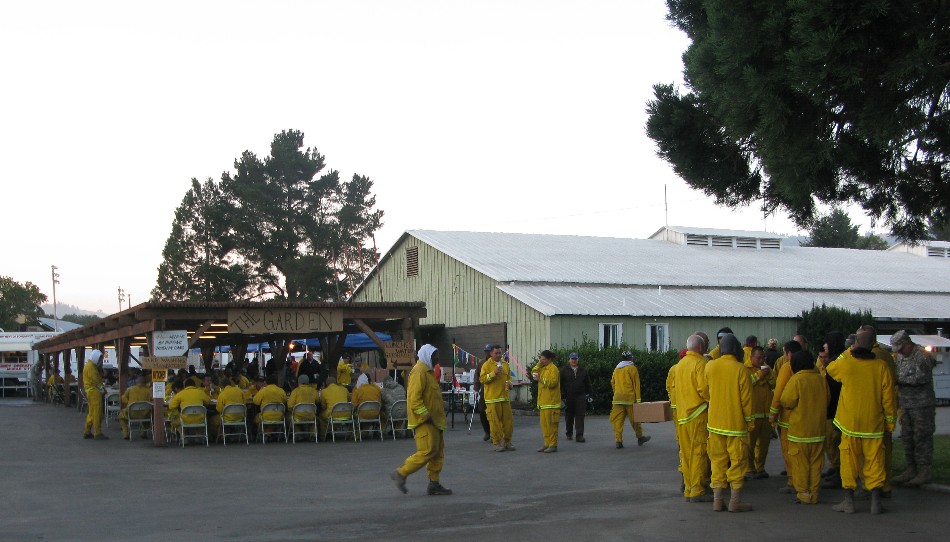
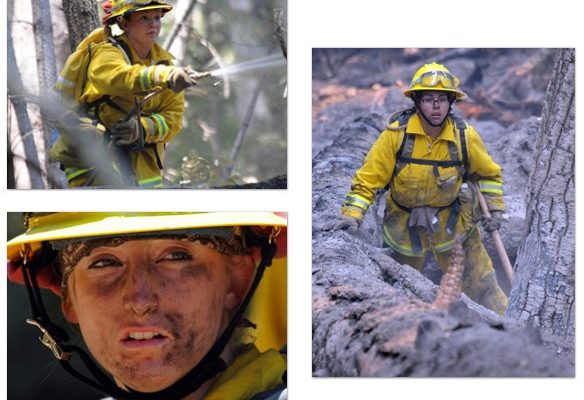
It’s been said that controlling a wildfire is not so much a battle to be fought as a storm to weathered. Just to bring the Mendocino Lightning Complex under containment required 1922 fire personnel, including 917 from CAL FIRE. Apart from CAL FIRE, there were volunteer fire-fighters from out-of-state as well as from other countries, such as Australia and Canada. In addition, MRC used 17 logging contractors with 50 pieces of equipment and hired about 125 contract fire-fighters from Oregon—Grayback Forestry and Patrick Environmental—along with a Columbia fire-fighitng helicopter. During the month of July, about 200 National Guard troops, camped at Boonville, were also used for fire mop-up. By July 19th, the Mendocino fires were declared contained. Early estimates for the cost of the fires in Mendocino County exceed $50 million.
For Those with Long Memories:
Lightning Storm of 1987

Some will recall that on August 28, 1987, dry lightning began pounding northern California. Every national forest there was ignited. Over 1000 lighting strikes pierced the Shasta-Trinity National Forest. Within two weeks, 68,090 acres had burned in Shasta Trinity National Forest; 131,865 acres in Klamath National Forest; 77,280 acres in Mendocino National Forest; and 128,000 acres in Stanislaus National Forest (Ukiah Daily Journal, 11 September 1987, p. 2). Logging crews had to help federal and state agencies fight the spreading fires. “A total of 549,810 acres have been blackened,”UDJ reported , “since a series of lightning storms that began Aug. 28 touched off 1,241 fires, the worst single series of fires in California history” (ibid p. 2). History overtook that record on June 20, 2008.

State and Federal Statistics on the Lightning Siege of 2008

CAL FIRE Statistics on Northern California Lightning Siege of June 20-21, 2008
County
CAL FIRE Name
Acres Burned
Butte Butte Lightning Complex
59,440
Humboldt Humboldt Complex
1,325
Lake Walker Fire
14,500
Lassen, Modoc Corral Fire
12,434
Mariposa Oliver Fire
2,789
Mendocino Mendocino Lightning Complex
54,817
Napa and Solano Wildfire
4,089
Santa Clara Whitehurst and Hummingbird
1,050
Shasta and Triniity Shasta and Trinity Lightning
86,500
Tehama and Glenn Tehama-Glenn Lightning Complex
22,907
Total
259,851


Federal Statistics on Northern California Lightning Siege of June 20-21, 2008
Location
Federal Name
Acres Burned
Plumas National Forest Canyon Complex
37,831
Klamath National Forest Bear Wallow Complex
47,317
Klamath National Forest Blue 2 Complex
78,188
Six Rivers National Forest Ukonom–south Complex
29,327
Shasta-Trinity National Forest Iron & Alps Complex
105,855
Shasta-Trinity National Forest Lime Complex
99,585
Mendocino National Forest Yolla Bolly
89,994
Six Rivers National Forest Blue 2 Wildland
9,728
Tahoe National Forest
American River Complex
20,541
Total
518,366

NOTE

“CAL FIRE looks at the Lightning Series as a single event that includes thousands of fires from both the original thunderstorm that came through central and northern California on 20 & 21 and a second storm coming through California on August 5 & 6. A handful of these incidents are still burning today. To date for the lightning series, 2,096 fires have burned nearly 1.2 million acres.” (Email from Alisha Henning, CAL FIRE, to Doris Schoenhoff, MRC, 12 September 2008)

The statistics provided in the tables above only include those fires that started on June 20-21, accounting for 778,217 burnt acres.

Statistics on Largest Lightning Fires in California

Reliable record-keeping on California wildfires began around 1932. The following statistics from a CAL FIRE fact sheet dated 9/5/2008 put the 2008 fires into historical perspective.

7 Largest Lightning Fires in California by Acreage Since 1932
From CAL FIRE Fact Sheet Dated 9/5/2008

Fire
Date
County
Acres Burned
Deaths
Marble Cone
July 1977
Monterey
177,866
0
Basin Complex
June 2008
Monterey
162,818
0
Stanislaus Complex
August 1987
Tuolumne
145,980
1
Big Bar Complex
August 1999
Trinity
140,948
0
Iron Alps Complex
June 2008
Trinity
105,805
10
Bar Complex
July 2006
Trinity
100,414
0
Lime Complex
June 2008
Trinity
99,585
0

Statistics on Largest Wildfire in California

Reliable record-keeping on California wildfires began around 1932. The following statistics from a CAL FIRE fact sheet dated 9/5/2008 put the 2008 fires into historical perspective.

7 Largest Lightning Fires in California by Acreage Since 1932
From CAL FIRE Fact Sheet Dated 9/5/2008

Fire
Date
County
Acres Burned
Deaths
Marble Cone
July 1977
Monterey
177,866
0
Basin Complex
June 2008
Monterey
162,818
0
Stanislaus Complex
August 1987
Tuolumne
145,980
1
Big Bar Complex
August 1999
Trinity
140,948
0
Iron Alps Complex
June 2008
Trinity
105,805
10
Bar Complex
July 2006
Trinity
100,414
0
Lime Complex
June 2008
Trinity
99,585
0

Condor Chick Survives Lightning Fires

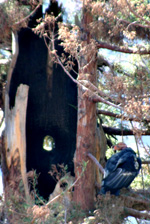
On June 21, 2008 lightning sparked the Basin Complex fire, which eventually burned 163,000 acres of the Los Padres National Forest in Monterey County. The fires damaged a condor sanctuary where the rare birds are fitted with radio transmitters and released. At the time of the fire, there were 43 condors from the Big Sur-Pinnacles flock flying wild in the area. Radio signals remain silent on two of the birds—a 6-year old male, hatched at the San Diego Zoo, and a 3-year old female, hatched at the Los Angeles Zoo..”We think the fire or the smoke overtook them,” Kelly Sorenson, executive director of the Ventana Wildlife Society, said. “The bodies were never recovered, but it’s been long enough now that we presume they are dead” (San Jose Mercury News, 2 September 2008). Three condor chicks undexpectedly did survive. One a “miracle” chick, born in the wild without any biologist intervention, survived in a cavity at the very top of a 200 ft coastal redwood tree. In the direct line of the fires, the tree showed evidence that the flames had shot up its trunk for 100 feet. Biologist, Joe Burnett, was able on September 3, 2008 to climb to the top of the tree with ropes and confirm the survival of the condor, at that time estimated to be about 5 months old.


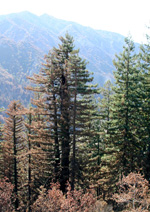
The two photos below, used with permission of the Ventana Wildlife Society, show the scorched redwood nest tree and the treetop cavity with the “miracle” chick, almost full-grown, to the right.


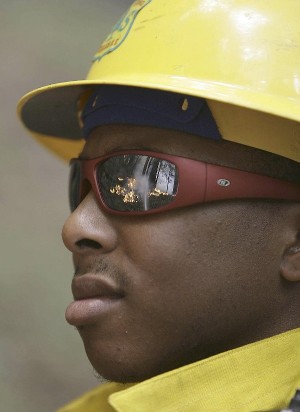
“The reflection of the wildfire is seen in firefighter James Hughes sunglasses as he uses a water hose on a backfire at the Ventana Inn campgrounds in Big Sur, Calif., Friday, July 4, 2008.” (AP Photo/ Tony Avelar)


Primary Sources

Burnett, Joe. Senior biologist at Ventana Wildlife Society, phone conversation with Doris Schoenhoff (MRC) on 11 September 2008.

Secondary Sources

Rogers, Paul, of San Jose Mercury News. Published in Press Democrat, 2 September 2008, “Big Sur Condor Sanctuary to Rebuild,” at http://www.pressdemocrat.com/article/20080902/NEWS/809020417/-1/archive&title=Big_Sur_condor_sanctuary_to_rebuild.

Power of Lightning

According to David Cook, a meteorologist at the Argonne National Laboratory, lightning flashes in the clouds over earth about 40 million times a day; approximately 4 million of those flashes actually strike the earth. Lightning discharges or “travels” at about 1/3 the speed of light or 62,000 miles a second and heats the surrounding air anywhere from 20,000 to 100,000 degrees F, or up to 10 times hotter than the surface of the sun. This incredible heat produces the sound waves that we hear as thunder. In the U.S., central Florida has the highest number of thunderstorms. The lowest number occur along the Pacific coast region from northern California up through Oregon and Washington, as well as in Maine. In the forest belt of the Pacific northwest, however, even infrequent lightning can create havoc. Dry lightning is the greatest natural cause of wildfires, including the Mendocino Lightning Complex of 2008.

Primary Sources

Email from Stephen D. McGregor (Argonne National Laboratory) to Doris Schoenhoff (MRC) on 8 September 2008, including forwarded email from David Cook to Stephen D. McGregor.

Redwoods Standing Tall Against Fire

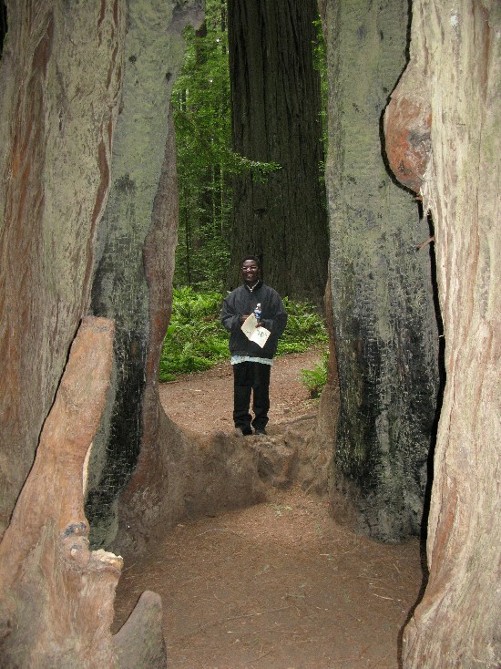
Fire is as much a part of a redwood forest ecosystem as the giant trees themselves or the wildlife sheltered by them. With bark up to 1 ft thick and crowns that might start 150 ft or more above the ground, redwoods—especially ancient redwoods—are highly resistant to fire. It is unlikely that a fire would destroy a stand of old-growth redwoods. Walk through any of the coastal redwood parks, like Montgomery Woods, Hendy Woods, Muir Woods, or Rockefeller Forest, and you will see black-scarred bark and scooped out trunk bases that are testimony to earlier fires. To really appreciate the bulk of a redwood tree, stand inside one of these hollowed bases—a spacious fire cage—and reflect on the fact that a living tree still shoots up 200 feet or more above your head.
MRC timberland is not an old-growth redwood forest. There are small pockets of old-growth trees and single giants here and there across the landscape. On the whole, though, the redwoods are second and third growth, naturally regenerated or planted on land that 25, 50, or 100 years ago was heavily harvested, even clear-cut. Deep in the forest are huge old tree stumps. On the forest floor are fallen trees and branches. Dead trees stand beside live trees—not yet toppled by wind or decay. Amidst the redwoods are Douglas fir, tanoaks, madrones, and other trees and vegetation that are not resistant to fire. These are all “ladder fuels” that create a pathway or “ladder” for fire to move from the ground right on up to redwood treetops. Decades of fire suppression alter a forest. As a result, in young redwood forests—managed and regulated timberland—fire poses a threat not only to redwood “inventory” but to adjacent property owners and community residents. It was this danger in June 2008 that brought out not only professional and volunteer fire-fighters but foresters, logging contractors, wildlife biologists, and good neighbors—practically anyone who could bull-doze, shovel, squirt, or stomp the fires out.
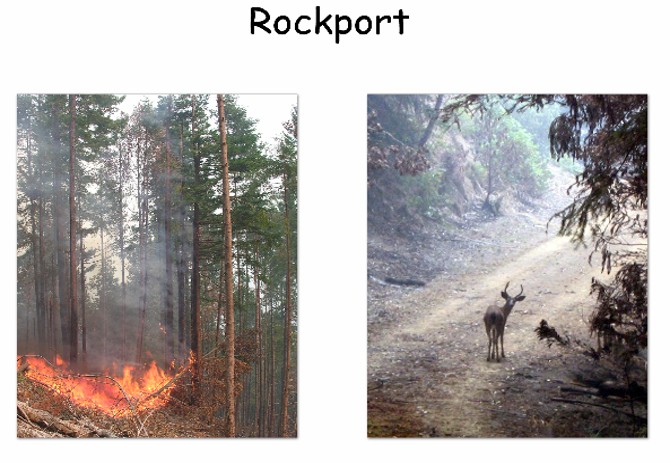
Photo Credit

Doris Schoenhoff (MRC). Bishop Cyprien Mbuka of Boma, Congo standing behind the hollwed base of a living coastal redwood in Rockefeller Forest, Humboldt County, CA, 2008.

Secondary Sources

Los Angeles Times, Steve Chawkins, “California blazes set record for area burned in a single ‘fire event,’ officials say” (15 July 2008) at http://articles.latimes.com/2008/jul/15/local/me-fires15.
Los Angeles Times, Mary Engel, “Heart attack suspected in firefighter’s death,” (5 Ju.ly 2008) at http://8.12.42.31/2008/jul/05/local/me-firefighter5.
New York Times, Mike Nizza, “California Wildfires Set a Record” (15 July 2008) at http://thelede.blogs.nytimes.com/2008/07/15/california-wildfires-set-a-record/.
Ukiah Daily Journal, Randy Foster, “Flanks watched as crews begin demobilization” (September 11, 1987), microfilm, Held-Poage Research Library, Ukiah, CA.
Photo Credit
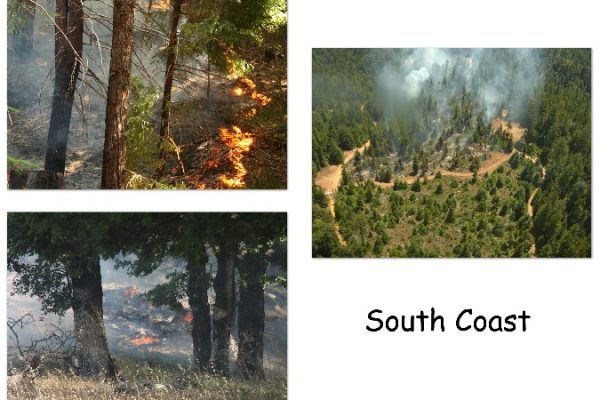
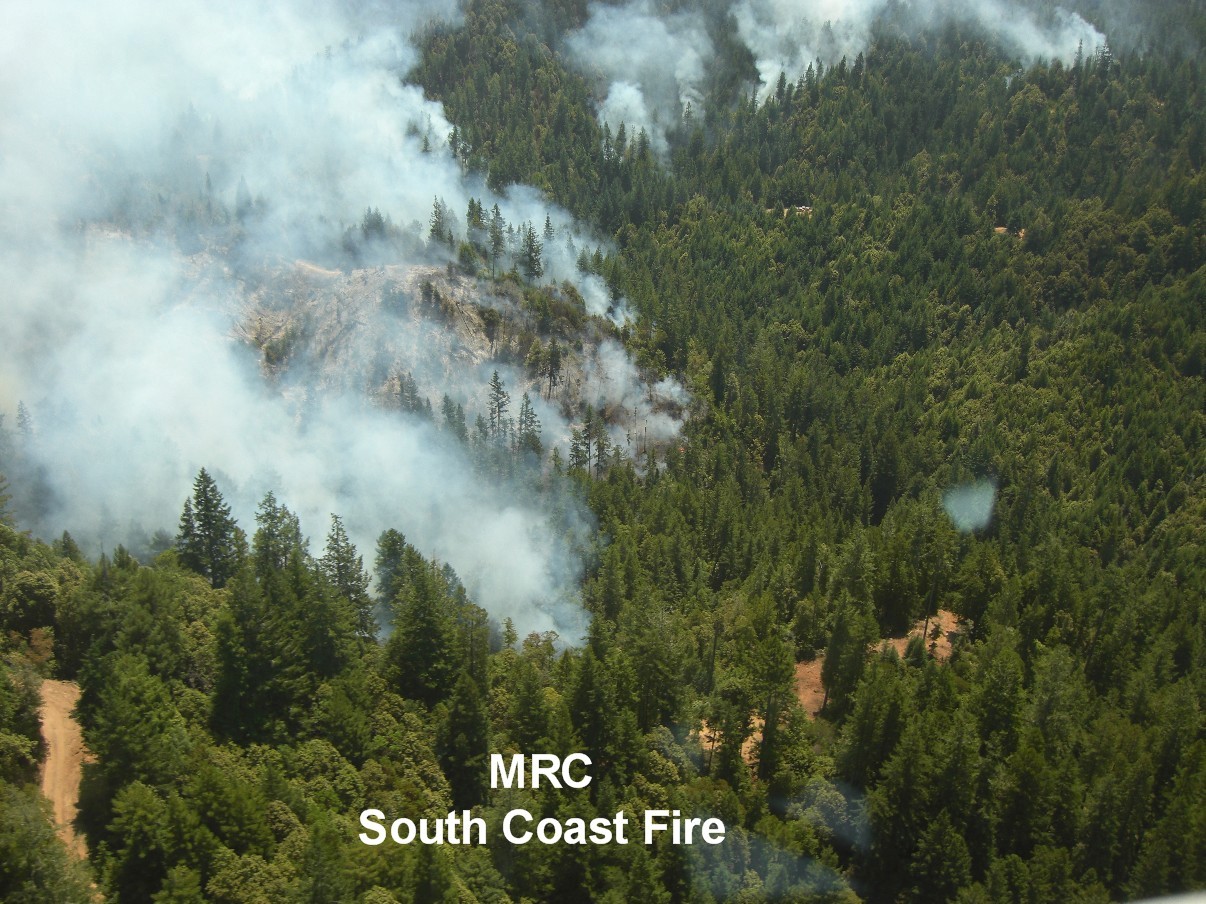
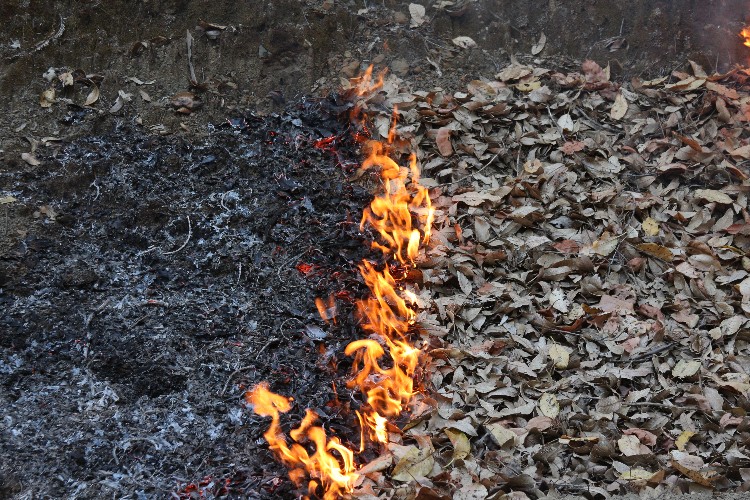
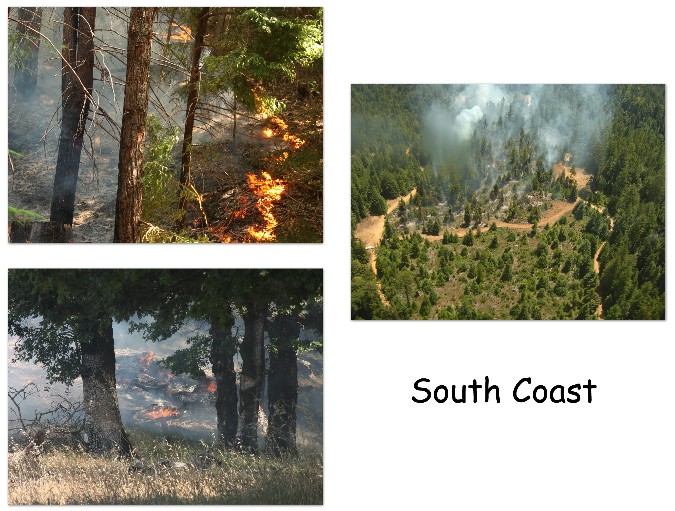
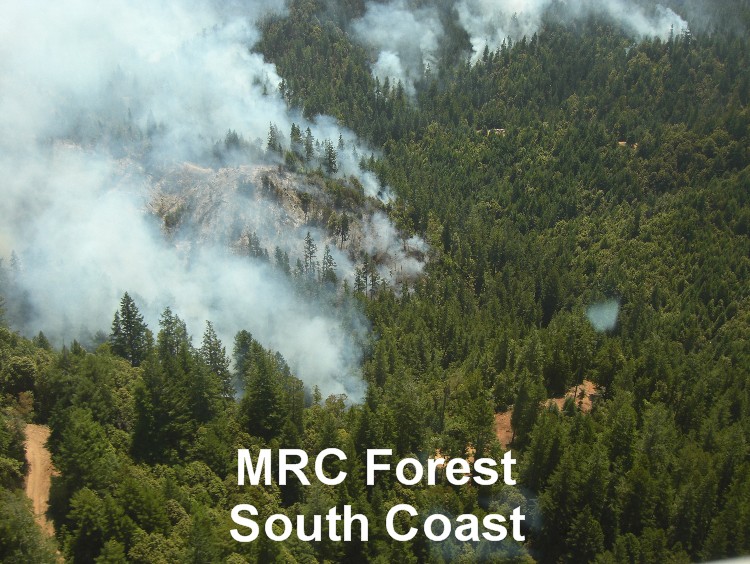
The photographer who took the photos of fires in the south coast forest and of the blackened fire line is currently unknown. The remaining photos were taken by Doris Schoenhoff (MRC) July-August 2008.
Video Credits
Sgt. Major Joseph Antone, National Guard, granted permission to use his video of Guard mop-up operations. Sgt. Major Antone was stationed in Boonville, CA as part of National Guard operations during the Mendocino fires of 2008.

UP NEXT

Telling Stories